


Technology



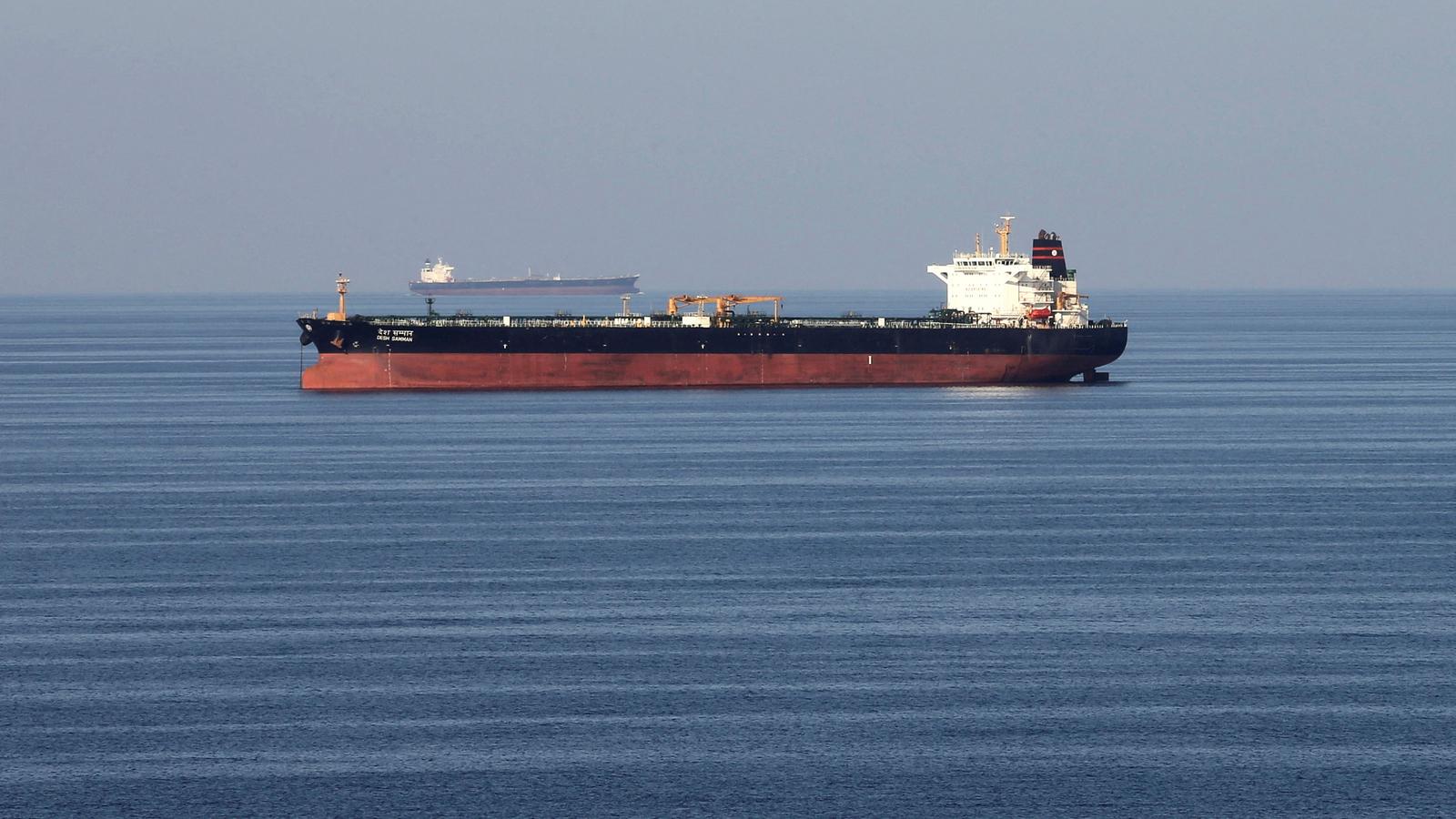
The ongoing tensions in West Asia involving Iran are beginning to affect the economies of several African countries. Rising global oil prices are creating additional pressure on many African nations that are already facing economic challenges.
Experts say that many countries in the African continent depend heavily on imported oil. Any disruption in oil supply due to the West Asia crisis could seriously affect their economies. This situation may lead to higher inflation and a decline in the value of local currencies.
Countries such as Kenya and Ghana, which rely significantly on imports, are expected to feel the impact more strongly. Analysts recall that during the Russia–Ukraine conflict in 2022, the fall in currency values caused oil transportation costs to increase by nearly 25 percent.
Although Kenya and Uganda have said that their oil supply systems are currently stable, countries like Nigeria and Ghana still depend on other nations for refined petroleum products despite producing crude oil. As a result, rising global fuel prices may not bring significant benefits to them.
Oil prices recently reached around 100 dollars per barrel. If this trend continues, oil-exporting countries such as Angola, Algeria, and Libya may see increased revenues. However, for most African nations, higher oil prices could create serious economic pressure.
In many parts of Africa, transportation of goods and food largely depends on road networks. Higher fuel prices increase transportation costs, which in turn raise inflation and reduce the purchasing power of ordinary people. Increased spending on oil imports could also strain foreign exchange reserves in some countries. Nations such as Sudan, Gambia, the Central African Republic, Lesotho, and Zimbabwe are considered particularly vulnerable.












Comments (0)
No comments yet
Be the first to comment!