

Sports

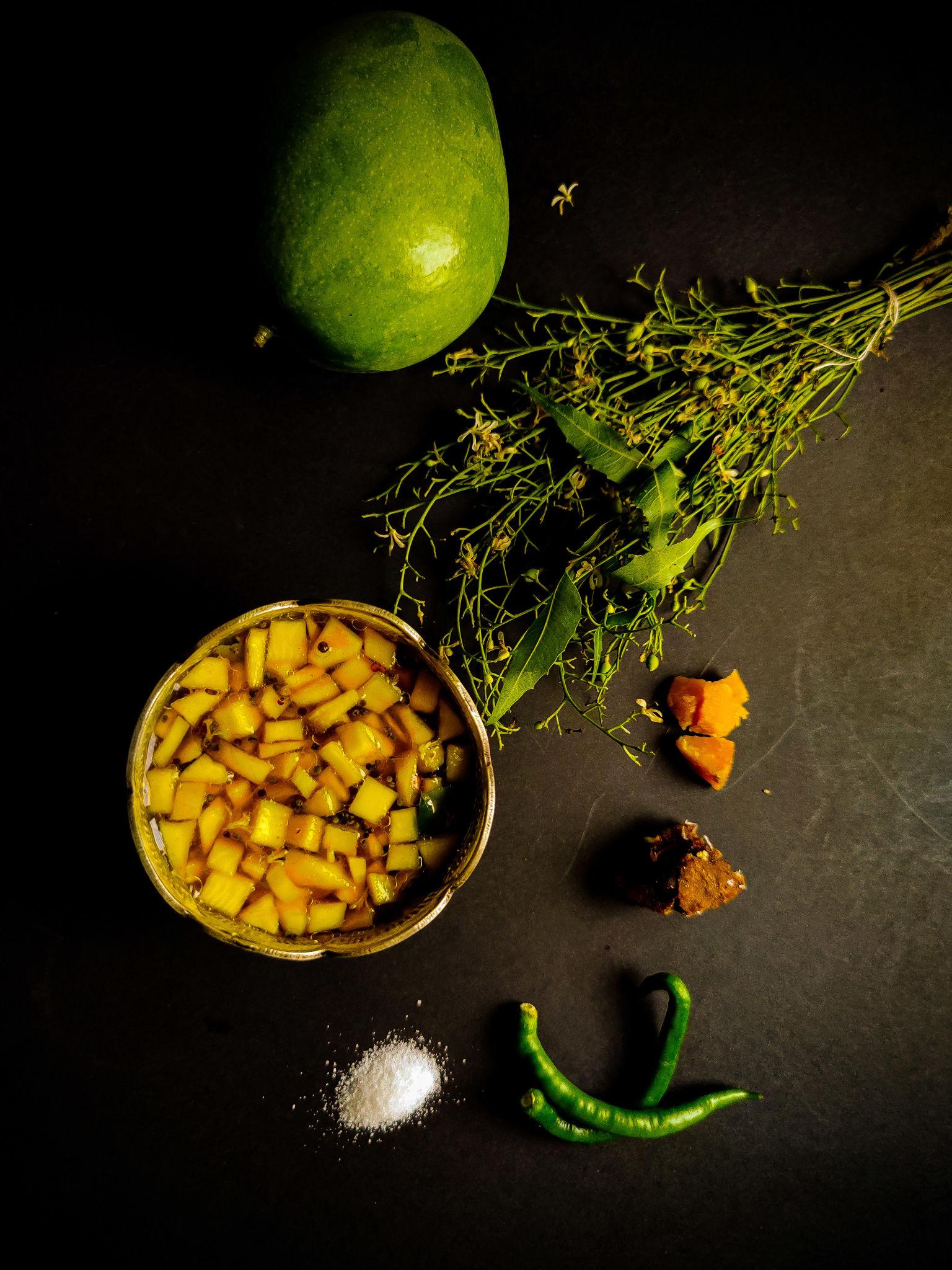
Ugadi, one of the most significant festivals observed in the Indian cultural calendar, symbolizes the beginning of a new year and the eternal flow of time. Celebrated in the Chaitra month, which marks the arrival of spring, Ugadi is believed—according to ancient scriptures—to be the day when Lord Brahma created the universe at sunrise on the first day of the Shukla Paksha. The term ‘Ugadi’ is derived from ‘Yuga’ meaning age and ‘Adi’ meaning beginning, reflecting the commencement of a new cosmic cycle. As nature awakens with fresh blooms, Ugadi stands as a celebration of renewal, positivity, and harmony with the rhythms of the universe.
The festival is deeply rooted in spiritual and scientific traditions. Consuming Ugadi Pachadi, a unique blend of six tastes, signifies the acceptance of life’s varied experiences—joy, sorrow, anger, fear, disgust, and surprise. Ayurveda highlights its health benefits, especially the inclusion of neem, which purifies the body. Ugadi also marks the worship of nature and divine forces, invoking prosperity and balance. The “Parabhava” year, though literally meaning defeat, carries a deeper message of overcoming challenges and strengthening inner resilience. Ugadi thus inspires individuals to reflect on the past and step into the future with renewed hope and determination.
















Comments (0)
No comments yet
Be the first to comment!