
politics


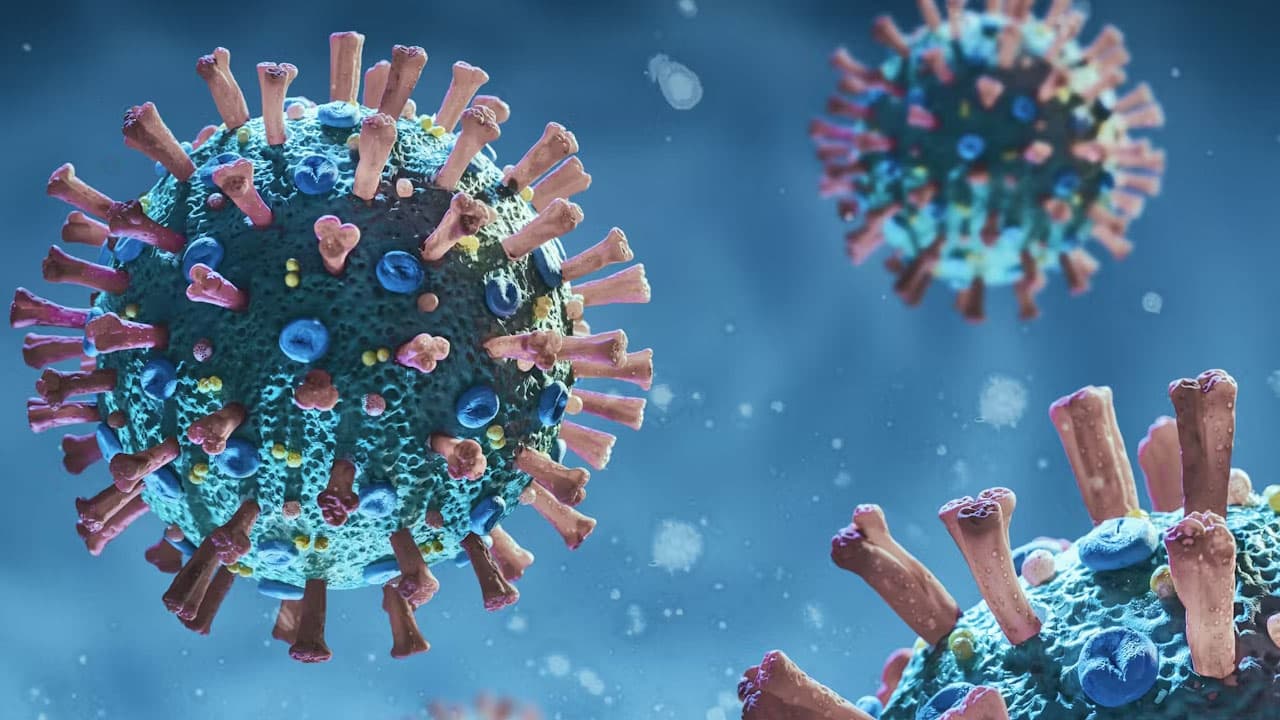
The BA.3.2 COVID-19 variant is currently spreading globally, with cases reported in around 23 countries, according to the US Centers for Disease Control and Prevention (CDC). The variant, also referred to as the “Cicada variant,” has been detected widely across the United States, with significant numbers of infections reported. Scientists have noted that BA.3.2 is rapidly mutating, with the spike protein—responsible for binding to human cells—undergoing about 75 mutations, compared to only 40 mutations in variants such as JN.1 and LP.8.1. Individuals infected with BA.3.2 generally experience mild COVID-19 symptoms, including sore throat, cough, fatigue, runny nose, headache, fever, and in some cases, gastrointestinal issues.
The BA.3.2 variant was first identified in South Africa in 2024. In the US, cases have been detected across approximately 25 states, including through nasal swab samples collected from international travelers at airports. While the Cicada strain has not caused a surge in severe deaths so far, scientists caution that its high mutation rate requires close monitoring. Existing COVID-19 vaccines are expected to offer partial protection against this variant, though ongoing research is evaluating their full efficacy.



















Comments (0)
No comments yet
Be the first to comment!