









news


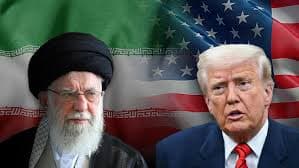
The United States administration’s calculations regarding Iran’s response to the attacks by the US and Israel have reportedly gone wrong, intensifying fears of a global oil crisis. President Donald Trump and his advisers initially believed that the conflict would not significantly disrupt energy supplies, even as Iran approached a potential political transition. However, those expectations have been overturned as tensions escalated sharply in the region. As the crisis deepens, several countries are now being forced to release strategic oil reserves to stabilise energy markets—an unprecedented step reflecting the seriousness of the situation. Earlier, US Energy Secretary Chris Wright had reassured that military strikes on Iran would not severely affect energy supply chains in West Asia and that global oil markets would remain stable.
Contrary to those assurances, concerns that Iran might block oil transportation routes have now materialised. Iran has reportedly closed the strategically crucial Strait of Hormuz and intensified attacks on shipping vessels in the Persian Gulf, severely disrupting maritime traffic and pushing global oil prices higher. The Trump administration is now struggling to mitigate the rising fuel costs impacting American consumers. Following a briefing to lawmakers on the conflict, Connecticut Democratic Senator Christopher S. Murphy sparked debate by stating that the administration lacks a clear plan to reopen the Strait of Hormuz. Meanwhile, Iran has been deploying sea mines to obstruct shipping routes, prompting US forces to target vessels laying those mines. In retaliation, Iran has begun directly attacking cargo and oil tankers, further escalating the conflict and raising fears of a prolonged disruption to global energy supplies.




.jpg&w=3840&q=75)
.webp&w=3840&q=75)




.webp&w=3840&q=75)
Comments (0)
No comments yet
Be the first to comment!