




General


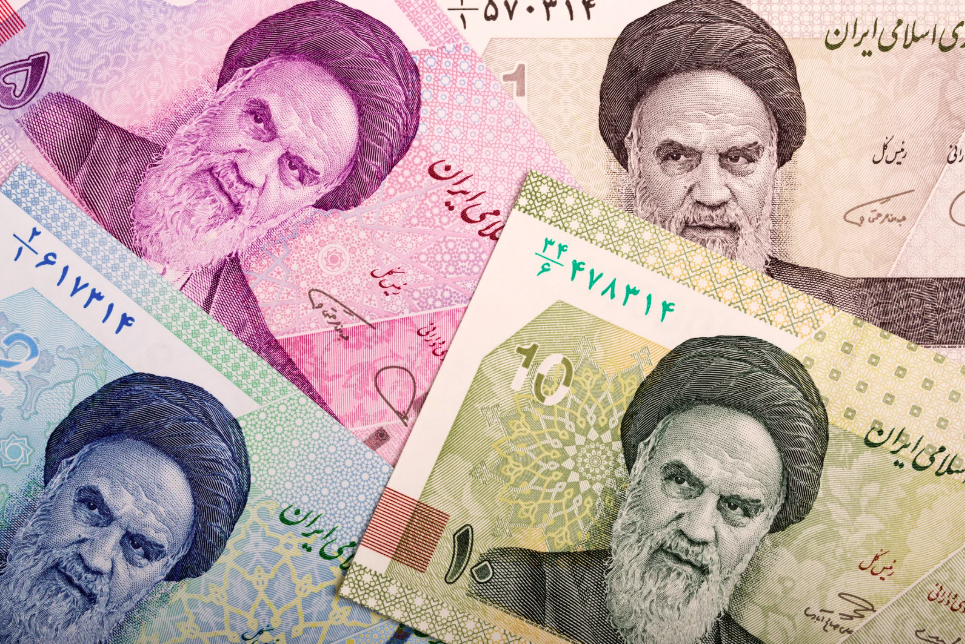
Iran, a West Asian country, is currently facing a severe economic crisis. Due to the impact of U.S. nuclear sanctions, its economic system has been completely destabilized. The value of Iran’s currency, the Rial, has fallen to an all-time low against the U.S. dollar, reaching nearly 1.2 million rials for one dollar. This collapse of the Rial has hit ordinary people hard. Prices of essential commodities including meat and rice have skyrocketed, making the cost of living unbearable.
Meanwhile, the ongoing tensions between the U.S. and Israel are adding to the anxiety among Iranians. Especially after Donald Trump took office, stricter sanctions on Iran severely affected crude oil sales. Even the discounted oil Iran was selling to China has halted due to sanctions. When the UN reinstated nuclear sanctions in September, Iranian assets abroad were frozen, and weapon deals were blocked. There are warnings that any progress in Iran’s ballistic missile program could attract even harsher measures. Apart from these external pressures, Iran is troubled internally by corruption and mismanagement. Power grid failures are causing hours-long blackouts. As temperatures are dropping to record lows, the country is struggling with a fuel crisis despite having large natural gas and crude oil reserves. Reports suggest that Iran has been unable to prepare its energy sector for harsh weather conditions, resulting in critical shortages.
Because of its nuclear program and the international sanctions surrounding it, Iran’s economy has been in decline for several years. In 2015, when Iran signed the nuclear deal with the U.S., one dollar was worth 32,000 rials. But in 2018, Trump withdrew from the agreement. Efforts to revive the deal began later, but negotiations have now stalled. As a result, the Rial which had already been falling sharply dropped to 703,000 rials per dollar by the time the U.S. election results were announced. The decline has continued since then.












Comments (0)
No comments yet
Be the first to comment!