




General


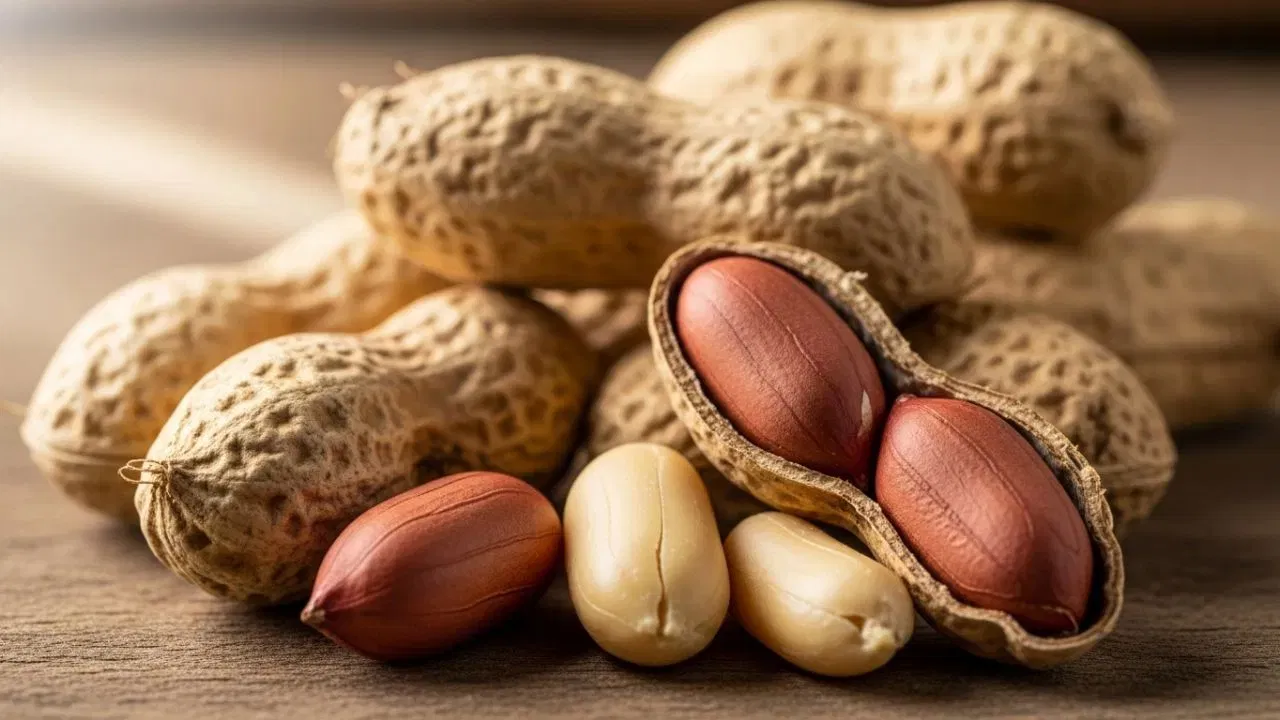
Peanuts are a rich source of essential nutrients and offer several health benefits. They contain protein, fiber, vitamin E, B vitamins, potassium, calcium, magnesium and phosphorus in significant amounts. With their healthy fats, peanuts provide sustained energy to the body. Because they offer nutrients similar to expensive dry fruits, they are often referred to as the “poor man’s almonds.” Regular consumption can help strengthen bones and may assist in reducing bad cholesterol levels. However, since peanuts are calorie-dense, it is important to consume them in moderation.
A small bowl of peanuts contains approximately 250–300 calories. During winter, increased appetite often leads to overeating, which, over time, may result in weight gain particularly around the abdomen and waist. Limiting intake to a handful per day is generally advisable. Peanuts are considered warming and heavy in nature and excessive consumption may cause bloating, gas, acidity or indigestion. Individuals with digestive issues should be especially cautious. Roasted peanuts are heavier to digest compared to raw ones.
In some individuals, peanuts may trigger allergic reactions. Symptoms can range from mild to severe and may include itching, rashes, sore throat, breathing difficulties or vomiting. Those with known peanut allergies should strictly avoid peanuts and peanut-based products such as peanut butter and chikki. Additionally, individuals with oily or acne-prone skin may experience increased breakouts due to higher sebum production when consuming peanuts excessively. Children should also be introduced to peanuts in small quantities to monitor any allergic response.
Note: The information provided above is for awareness purposes only. We do not assume any responsibility for its use. If you have any health concerns, please consult a qualified doctor or nutritionist and follow their professional advice.













Comments (0)
No comments yet
Be the first to comment!