

Business


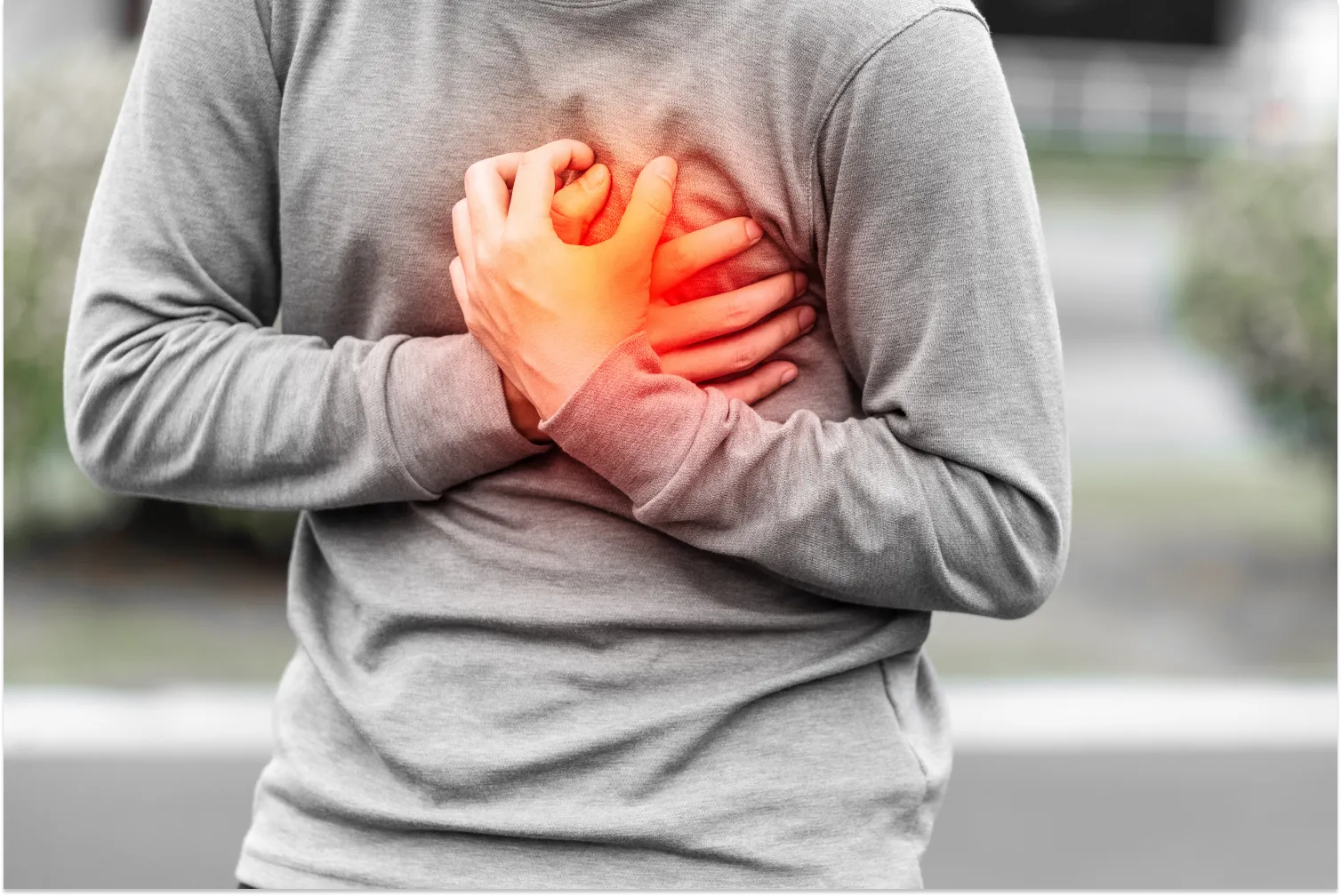
Doctors and cardiology specialists warn that the risk of heart attacks increases significantly during winter. As temperatures drop, blood vessels constrict, blood pressure rises, and the blood becomes thicker, increasing the chances of clot formation. These changes pose a higher danger for people with existing heart disease, high blood pressure, or diabetes, experts say.
Specialists explain that reduced physical activity, eating habits, and increased stress during winter also put extra pressure on the heart. Respiratory infections like the flu trigger inflammation in the body, which can destabilize plaque inside the arteries, leading to a sudden blockage. Combined, these factors elevate the overall risk of heart attacks during cold weather.
Doctors recommend wearing warm clothing, avoiding sudden heavy physical exertion, and maintaining mild indoor exercises to stay active. Eating heart-friendly foods, staying hydrated, regularly monitoring blood pressure, quitting smoking, and limiting alcohol intake are essential steps to protect heart health, according to medical experts.
Note: This information is provided only for general awareness. We are not responsible for the news or details mentioned. If you have any health concerns, please consult your doctor and follow their advice.

















Comments (0)
No comments yet
Be the first to comment!