






Politics


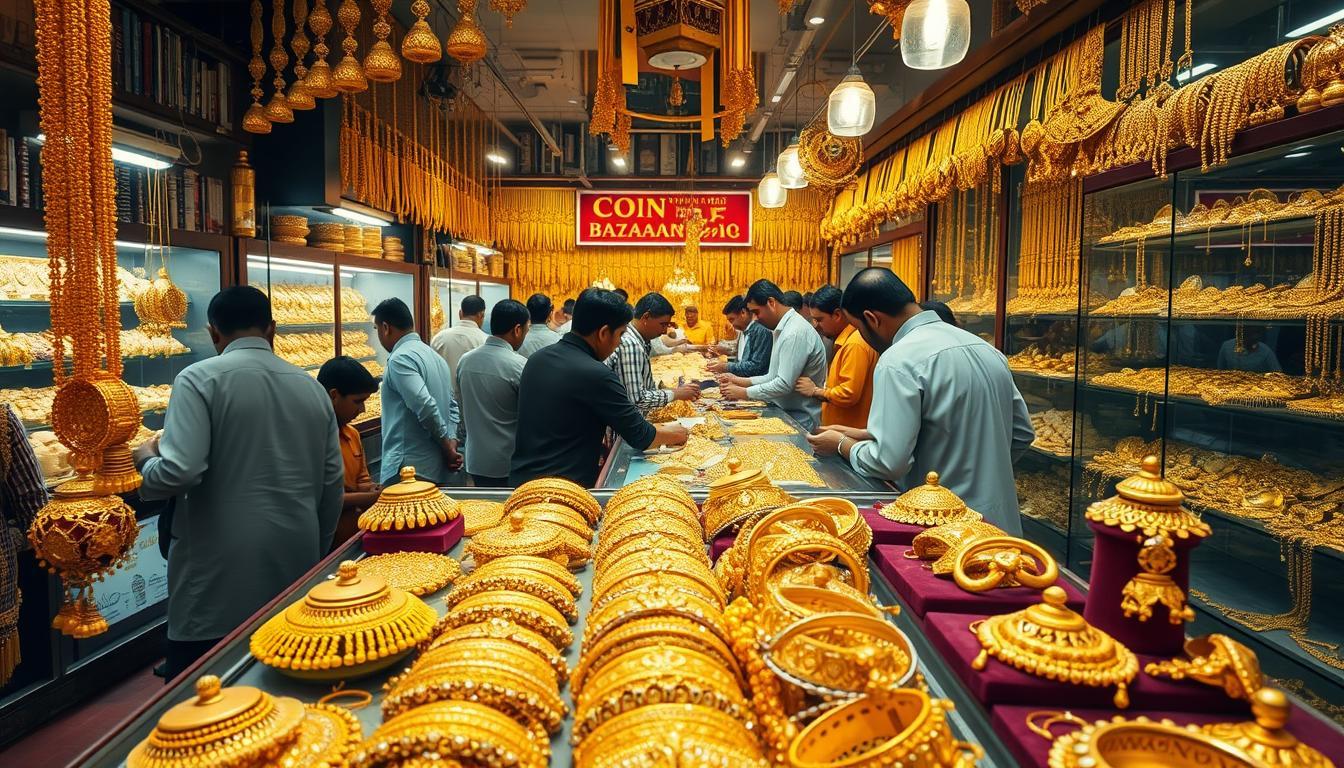
The sharp increase in import duty on gold has triggered concerns across the jewellery and investment sectors over its possible impact on demand, trade deficit management, and foreign exchange reserves. Industry experts believe that despite higher taxes, investment demand for gold may continue to remain strong due to rising international prices. Over the past few years, Indians have increasingly invested in gold biscuits, coins, digital gold, and gold Exchange Traded Funds (ETFs) as a means of wealth creation. According to the World Gold Council, domestic investment in gold has risen significantly in recent years, driven mainly by soaring prices. Exporters, however, warned that higher bank guarantees required for duty-free imported gold could become a burden for smaller jewellery businesses.
India has consistently imported around 700-800 tonnes of gold annually since 2019 despite significant price increases, indicating stable long-term demand. Trade bodies estimate that the latest duty hike could raise gold and silver prices by nearly 10%, potentially reducing jewellery demand by 10-15% and lowering the country’s import bill by nearly $10-15 billion. At the same time, experts fear a rise in unofficial sales and gold smuggling due to higher taxes. Enforcement agencies, including customs and revenue intelligence officials, are expected to tighten surveillance in coastal states such as Maharashtra, Tamil Nadu, Gujarat, and West Bengal, along with airports in Kerala and border states in the Northeast. Research agency GTRI also projected that gold imports from Dubai could increase further because of lower duty benefits under India-UAE trade agreements.










Comments (0)
No comments yet
Be the first to comment!