




Movies


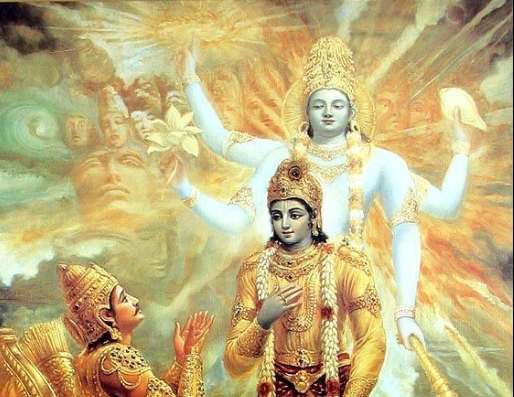
Lord Krishna, revered as the eighth incarnation of Lord Vishnu, holds a unique place in Indian spiritual tradition. Born as the eighth child of Devaki and Vasudeva during the month of Shravana, Krishna is regarded as an embodiment of dharma, wisdom and divine consciousness. His name itself is considered sacred, while the chanting of Krishna’s name is traditionally believed to carry the spiritual merit of devotion and prayer. His childhood in Gokul, his playful and enchanting nature, and his divine deeds have remained an inseparable part of Indian culture and devotion.
Krishna’s life and teachings carry deeper messages beyond the stories of his divine exploits. Kaliya Mardana is seen as a symbol of destroying forces that harm society, while Govardhanoddharana reflects the responsibility of protecting those who place their trust in us. His Vishwaroopa Darshana, revealed on different occasions including before Arjuna on the battlefield of Kurukshetra, represents the limitless nature of the divine. Through the Bhagavad Gita, Krishna addressed Arjuna’s doubts and offered timeless guidance on duty, righteousness and self-realisation. His life also teaches humility, respect for parents and teachers, compassion, equality and support for those who seek help. Today, Krishna is worshipped in various forms across India, including Balakrishna in Mathura, Krishna in Dwarka and Udupi, Jagannath in Puri, Guruvayurappan in Guruvayur and Shrinathji in Rajasthan.











Comments (0)
No comments yet
Be the first to comment!