
General


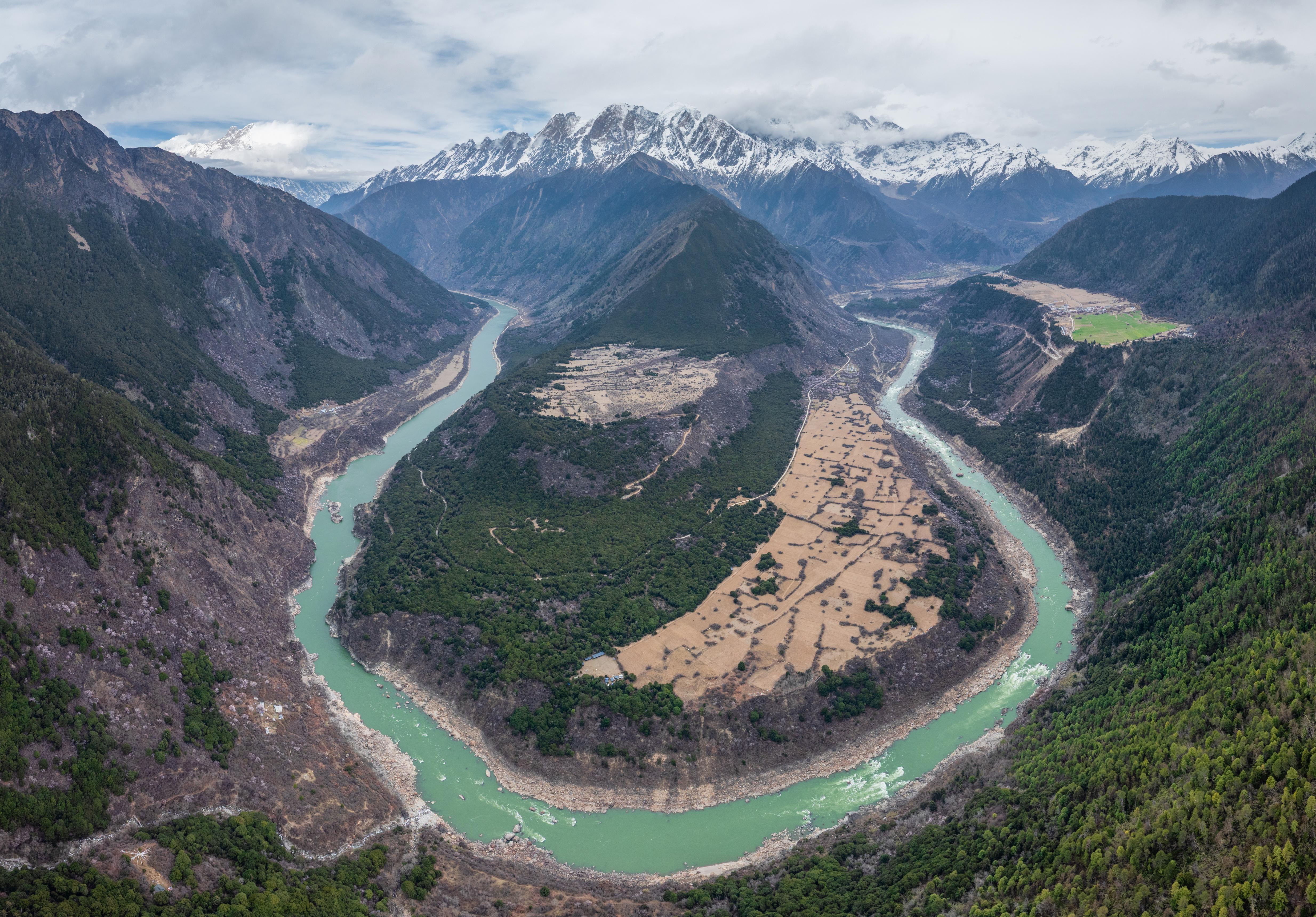
China is planning a massive hydropower project on the Yarlung Tsangpo, the upper course of the Brahmaputra River in Tibet, with an estimated cost of $168 billion and a proposed installed capacity exceeding 60,000 megawatts. If completed as planned, the project would have nearly three times the capacity of China’s Three Gorges Dam. However, concerns have been raised about its potential impact on river flows, downstream flooding and regional water security. Researchers from the Chinese Academy of Sciences and Yunnan University have reportedly studied tree-ring records dating from 1325 to 2020 to reconstruct the Brahmaputra’s historical flow patterns. Their findings highlight the risks associated with sudden changes in river discharge, which could affect communities in Tibet, India and Bangladesh.
Scientists have also warned that rising temperatures on the Tibetan Plateau are accelerating glacier melt and altering the regional water cycle. These changes could increase the risk of both floods and droughts across parts of South Asia. The proposed dam’s location near an active geological fault has raised additional questions about earthquake risks and the long-term stability of the infrastructure. The supplied report also refers to a deadly flood following an ice-and-rock avalanche near the China–Nepal border, although its reported date and casualty figures require independent verification. Experts say the project’s potential consequences for downstream countries make transparent environmental assessments, seismic risk studies and regional cooperation especially important.













Comments (0)
No comments yet
Be the first to comment!