

Health


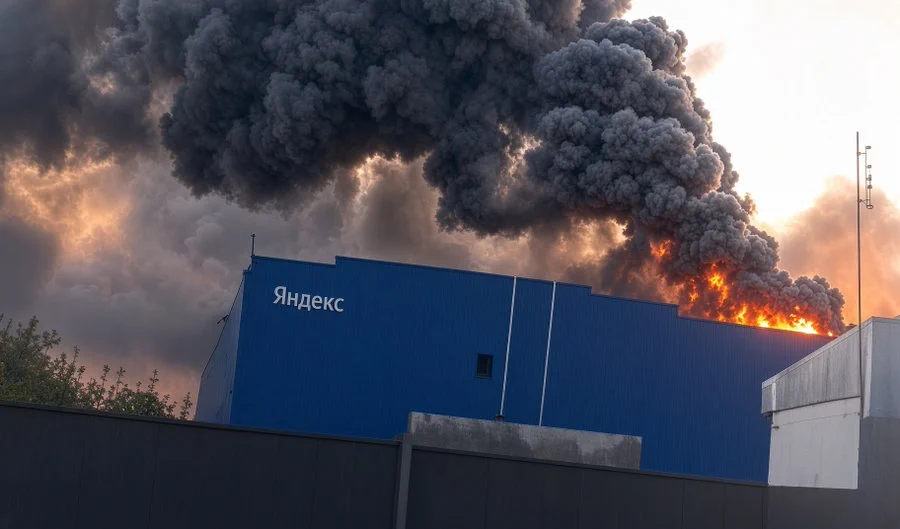
The Russia-Ukraine war is increasingly affecting critical digital infrastructure, leaving ordinary citizens struggling to access essential services. According to media reports, three of the five major data centres operated by Russian technology giant Yandex were damaged during Ukrainian retaliatory strikes that began on October 8. The disruptions reportedly affected taxi bookings, online food deliveries, digital payments and cloud storage services. Other platforms that rely on Yandex's digital infrastructure were also impacted. Several users said they were unable to access funds in their digital wallets and bank accounts, while others faced difficulties opening files stored in the cloud. Local media reports also described cases in which residents were unable to enter their own homes because their digital door locks stopped functioning. The incident has highlighted the extent to which everyday activities in Russia depend on a limited number of technology providers and their digital infrastructure.
Taxi drivers reported difficulties identifying customer payments and withdrawing their earnings because of disruptions to the Yandex Taxi application. Technical errors also reportedly resulted in multiple cars being booked for a single customer. Irina, a resident of St Petersburg, said the prolonged disruption left her unable to make essential payments and even buy food for her child, according to media reports. Yandex has said it is working to restore its services. Russia's largest bank, Sber, and technology company VK have also reportedly been targeted in recent attacks. The strikes come amid escalating hostilities, with Russia targeting data centres in Ukraine and Ukrainian President Volodymyr Zelensky accusing Russian President Vladimir Putin of attempting to deprive Ukrainians of internet access. Subsequent attacks on Russian digital infrastructure have further disrupted civilian life. The growing dependence on centralised digital services has raised concerns about the vulnerability of essential systems during wartime, as disruptions to technology infrastructure increasingly affect payments, transportation and access to basic necessities.













Comments (0)
No comments yet
Be the first to comment!