General


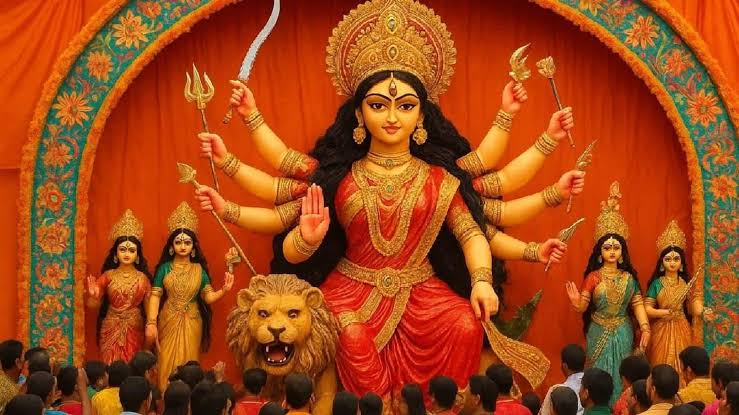
Vijayadashami holds a special place in Hindu tradition, with the belief that work undertaken on this auspicious day brings success. The period of approximately 45 minutes around midday is traditionally regarded as Vijaya Muhurtham, an auspicious time to begin new ventures. Weapon worship and vehicle worship are among the important customs observed during the festival. According to traditional accounts, kings in ancient times worshipped their weapons before setting out for battle, praying for victory and the protection of their kingdoms. The Mahabharata tradition states that after completing their period of exile, the Pandavas retrieved the weapons they had hidden in a Shami tree and worshipped them. Their eventual victory in the Kurukshetra war is associated with the significance of weapon worship on Vijayadashami. The custom of worshipping vehicles is also linked to the ancient practice of kings paying homage to their chariots before embarking on important journeys or military campaigns.
Shami Puja, the exchange of Shami leaves and the sighting of the Indian roller, popularly known as the Palapitta in Telugu, are also considered auspicious Vijayadashami traditions. Devotees believe that worshipping the Shami tree and exchanging its leaves with family members and friends brings prosperity and good fortune. Traditional accounts also associate the sighting of the Indian roller with Lord Rama’s victory over Ravana. People pray for success in education, business, travel and other new ventures on this day. Beyond their religious significance, these customs are understood as expressions of gratitude towards the tools and vehicles that support daily life, as well as respect for nature and living beings. Understanding the deeper meaning of these traditions and passing their cultural values on to future generations remains important. May Vijayadashami bring happiness, prosperity and success to everyone.









Comments (0)
No comments yet
Be the first to comment!