

General


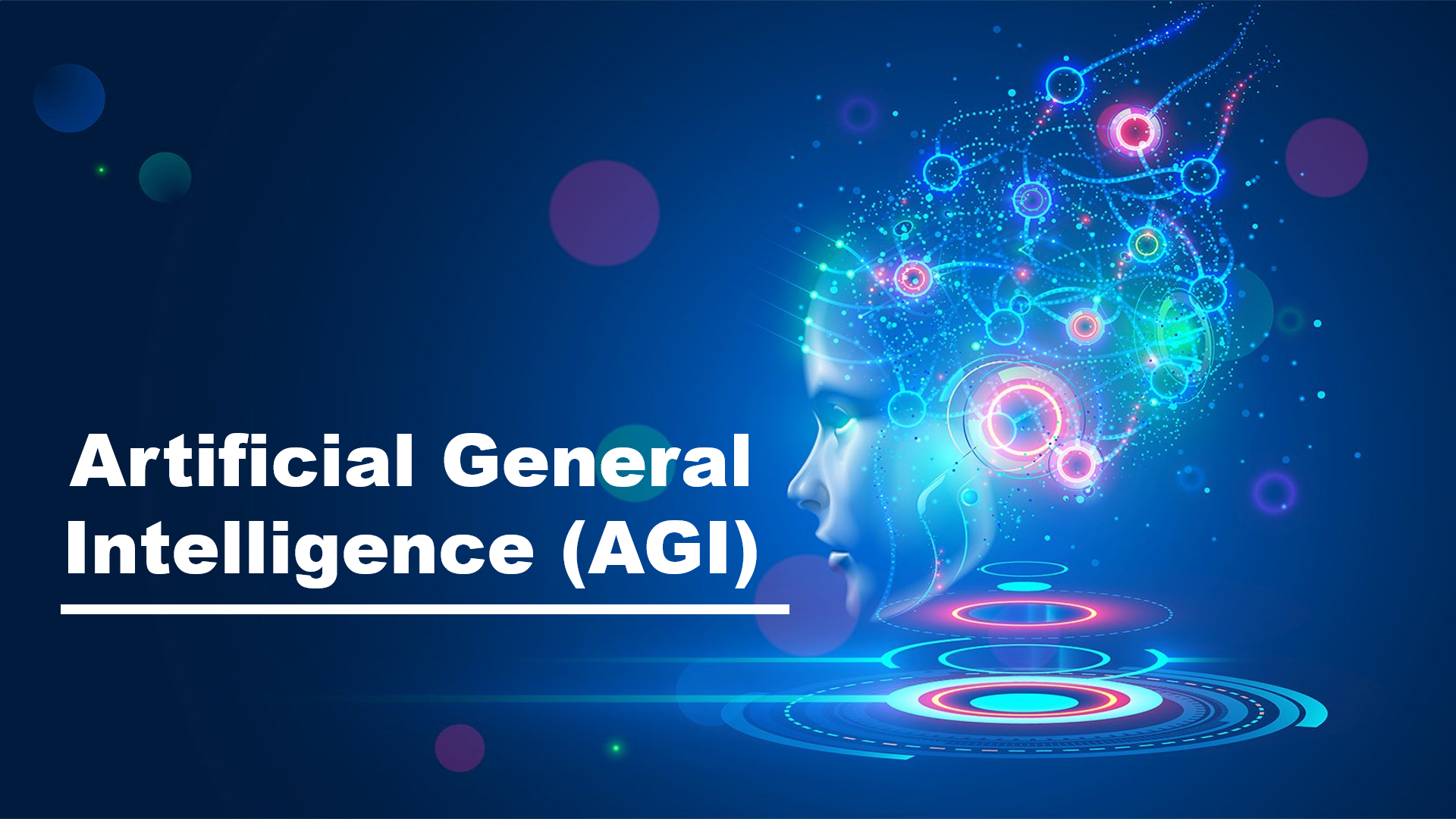
Artificial General Intelligence, or AGI, is one of the most talked-about concepts in the tech world today. Each breakthrough in artificial intelligence (AI) research continues to shift the definition of what “general” intelligence truly means. For scientists, AGI represents the ultimate goal — a machine capable of true innovation. For companies, it’s the perfect assistant that can perform all the tasks a human can. For ordinary people, it often symbolizes a possible doomsday scenario.
Before AGI became a buzzword symbolizing the future of technology, the term had a specific origin and a real inventor. Although Ben Goertzel and Cassio Pennachin are credited with popularizing the term through their 2005 book Artificial General Intelligence, they were not the first to use it. The phrase “AGI” was actually coined by Mark Gubrud, a researcher from Maryland, USA, in 1997. In his paper “Nanotechnology and International Security”, presented at the Fifth Foresight Conference on Molecular Nanotechnology, Gubrud used “AGI” to describe advanced AI systems that could rival or surpass the human brain in reasoning, learning, and speed — capable of replacing human intelligence in industrial or military operations.
While the definitions have evolved, the core idea remains the same: AGI refers to an AI system that can operate at a human-level of intelligence without supervision. With giants like OpenAI, Google, Microsoft, and Meta racing toward this goal, it’s fascinating to realize that this revolutionary concept began with a little-known researcher back in 1997 — long before AGI became the dream of the AI world.

















Comments (3)
AGI origin is surprising.
“Mind-blowing evolution!”
Future Reality