




Sports

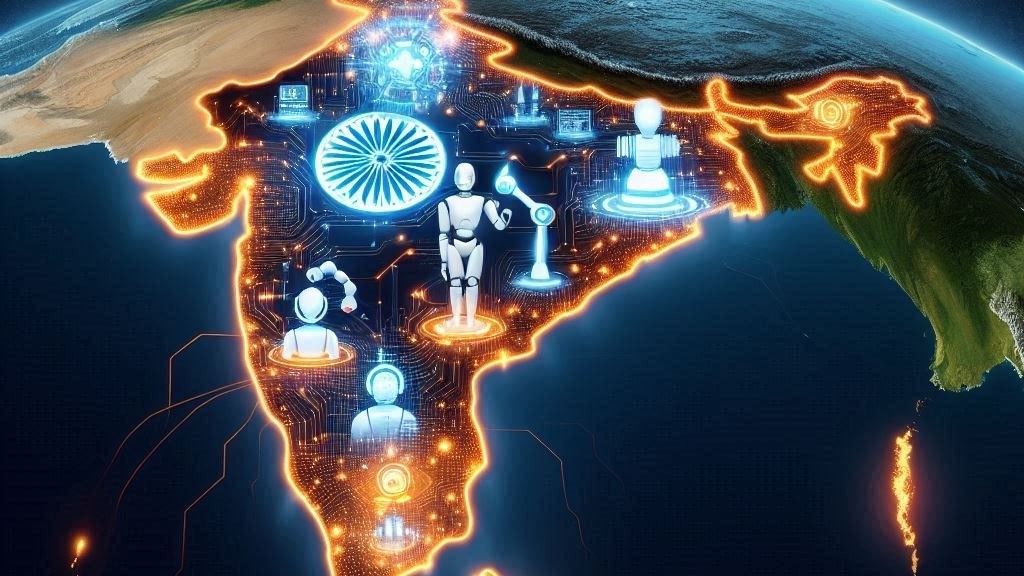
At a recent AI summit in New Delhi, Indian startups such as Sarvam, Gnani, and BharatGen showcased indigenous AI models, signaling growing ambition within the country’s tech ecosystem. Yet, analysts question where India truly stands in the global AI value chain, especially when evaluated against the multi-layered AI stack described by Jensen Huang.
India has strengths in application development and a vast developer base, but still depends heavily on imported chips and computing infrastructure. Meanwhile, foundational model development is being led by global players such as OpenAI and Microsoft, leaving India with strong data resources but fewer globally competitive core AI platforms.
Experts argue that India must avoid becoming merely a large consumer market for foreign AI systems. Priorities should include retaining control over domestic data, investing in local infrastructure, funding homegrown innovation, and reskilling the workforce for emerging areas like AI governance, cloud modernization, and cybersecurity to secure a meaningful role in the future AI economy.











Comments (0)
No comments yet
Be the first to comment!