

General


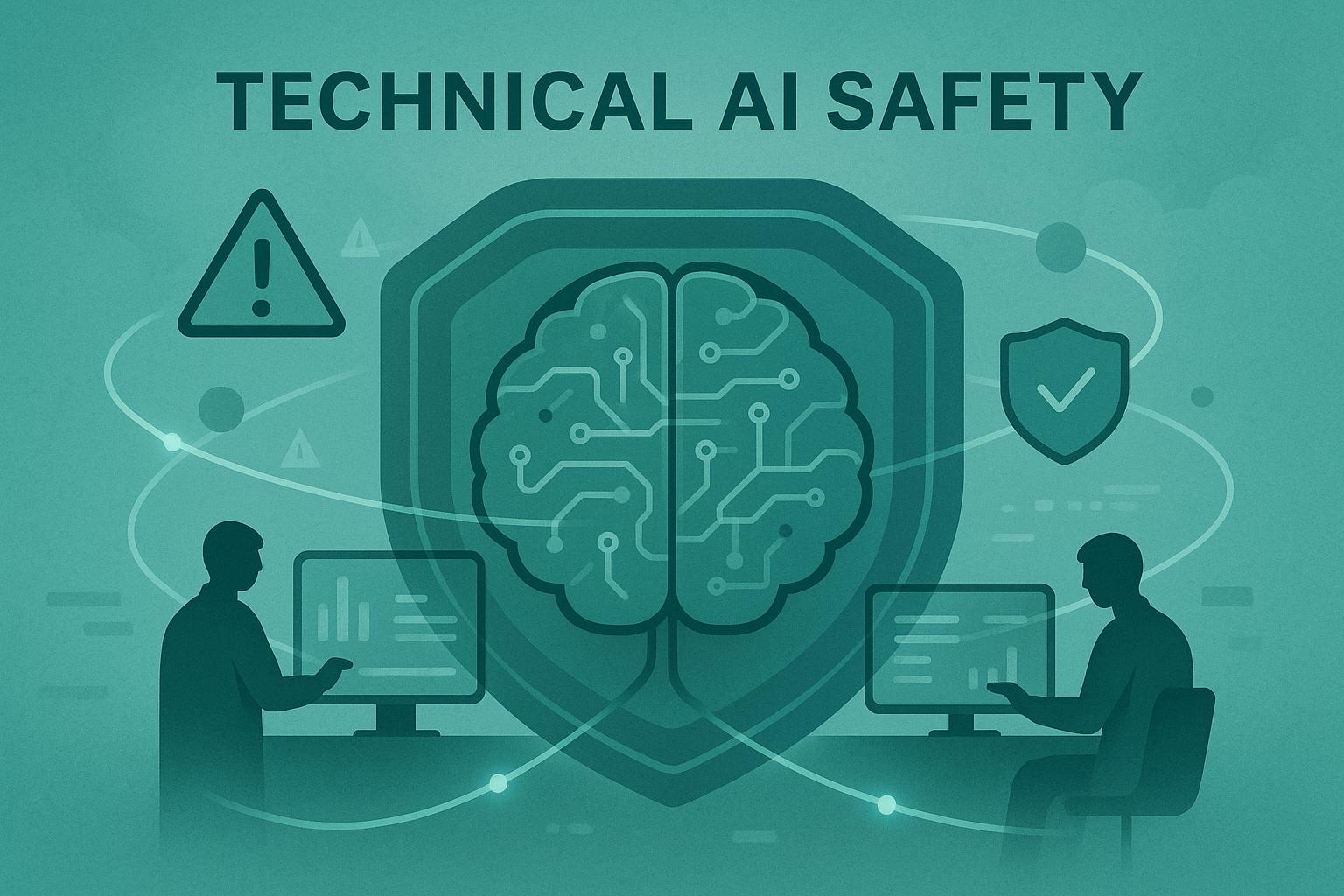
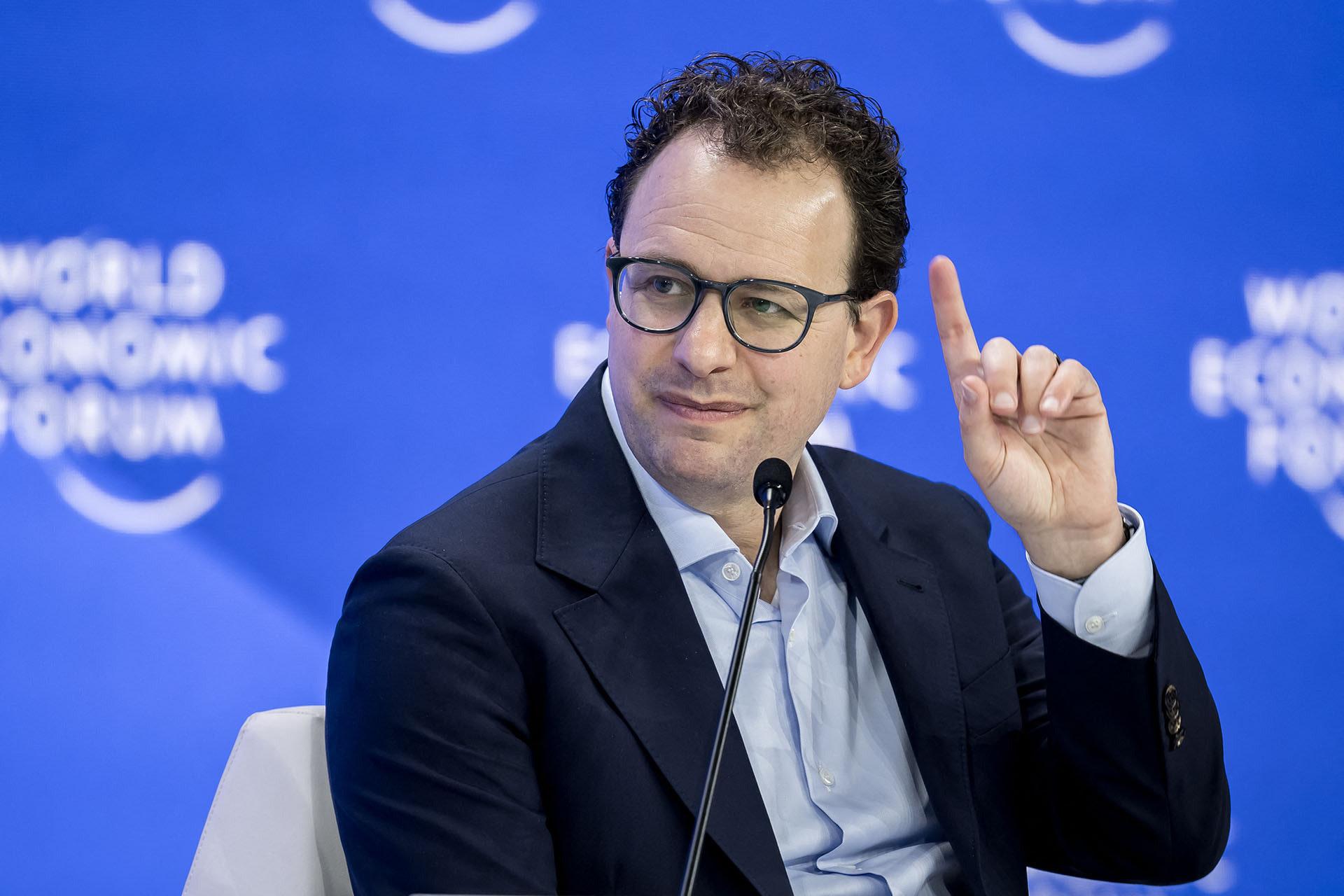
A significant debate has emerged among Indian tech leaders and global experts over the strategy India should adopt in the field of Artificial Intelligence (AI). The key question is whether India should position itself as a creator of AI technologies or continue as a consumer. Girish Dileep Patil, a senior executive at Amazon Web Services, added a new dimension to the discussion by criticizing the perspectives of Nandan Nilekani and Narayana Murthy. He argued that their thinking reflects a 1990s IT services mindset, which may hinder India’s progress in the modern AI era. While acknowledging Nilekani’s contributions to Aadhaar, Patil stated that India now needs visionary leaders like Vishal Sikka to drive innovation in AI.
On the other hand, Nandan Nilekani and Ravi Venkatesan suggested a more pragmatic approach. They emphasized that due to limited large-scale investments and computing infrastructure, India should focus on leveraging existing AI technologies rather than building everything from scratch. Drawing parallels with the success of Aadhaar and UPI, they highlighted the importance of applying AI effectively in sectors like healthcare, agriculture, and education. Vishal Sikka, during his tenure as Infosys CEO (2014–2017), attempted to transform the company into a platform-driven and AI-focused enterprise. Though his efforts were ahead of their time, internal governance issues led to his exit. Many analysts believe that if his vision had been implemented fully, Infosys could have been a global leader in AI today. Currently, Sikka is working on human-centric AI through Vianai Systems.








Comments (0)
No comments yet
Be the first to comment!