
General


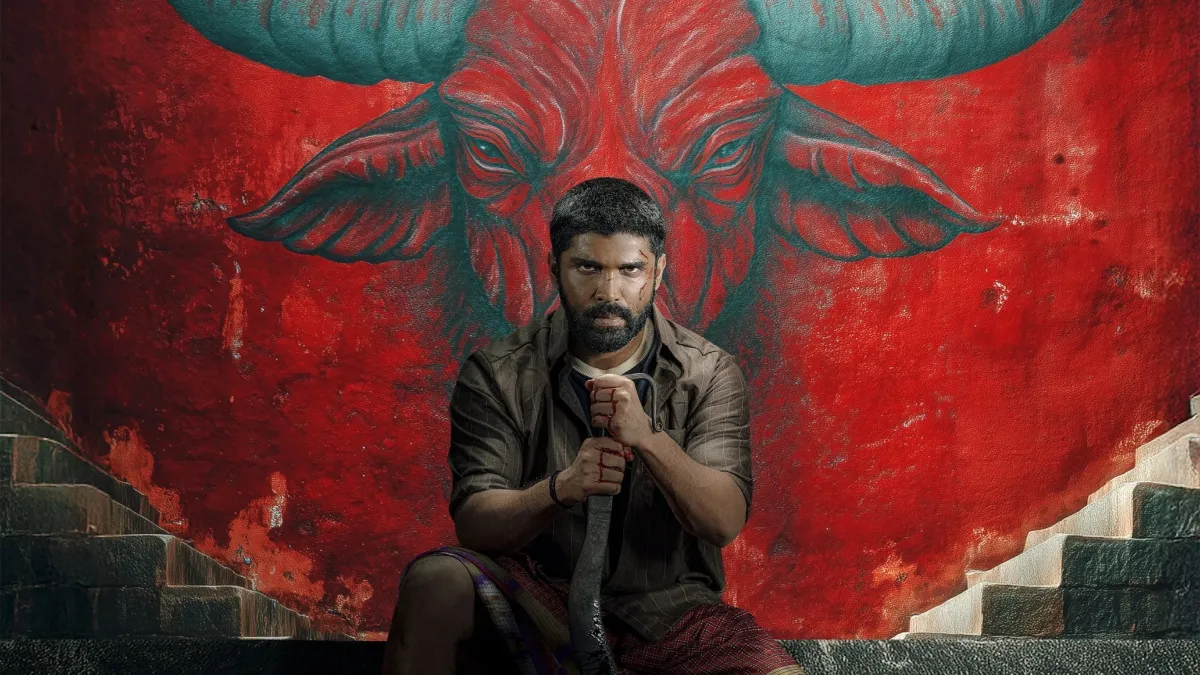
Master storyteller Mari Selvaraj returns with his fifth directorial venture, Bison Kaalamaadan, and delivers yet another potent, socially-charged drama. This time, he uses the dynamic sport of Kabaddi as the backdrop for a tale of resilience, identity, and defiance. The film also marks a significant milestone for young actor Dhruv Vikram, who delivers a career-defining performance, finally showcasing the full extent of his talent.
Inspired by the real-life story of Arjuna award-winning Kabaddi player Manathi Ganesan, the film follows Kittan Velusamy (Dhruv Vikram), a young man from a socially oppressed community in 1990s Tamil Nadu. His dream to represent the Indian Kabaddi team is met with fierce resistance, not just from the sport's competitive nature, but from deep-seated casteist feuds in his district. The film powerfully chronicles his grueling journey, pitted against a system designed to keep him down, and his father Velusamy's (Pasupathy) fearful reluctance.
Performances:
Dhruv Vikram is a revelation. He completely immerses himself in the role of Kittan, embodying the character's raw hunger, simmering anger, and unwavering spirit with stunning conviction. This performance firmly establishes him as a serious actor of immense potential. Pasupathy is phenomenal as the tormented father, delivering a performance filled with silent pain and powerful emotion. The supporting cast, including Rajisha Vijayan, Ameer Sultan, and Lal, is uniformly excellent, adding layers of authenticity to this hard-hitting world.
Technical Brilliance:
The film is a technical marvel, especially considering its budget. Cinematographer Ezhil Arasu’s work is breathtaking, painting 1990s rural Tamil Nadu with a raw, earthy texture that pulls you into the narrative. Nivas K. Prasanna’s music and background score are not just accompaniments but vital forces that drive the film's emotional and thematic weight. The production design meticulously recreates the era, making the setting a character in itself.
Analysis:
Bison Kaalamaadan is an uncompromising film. Mari Selvaraj does not shy away from depicting the brutal realities of caste oppression, and the film's raw violence, while intense, serves a purpose—to underscore the high stakes and the viciousness of the battle Kittan is forced to fight. The first half is masterfully constructed, with several sequences, like a feud triggered on a bus, standing out for their brilliant writing and execution.
While the second half adopts a more conventional sports drama structure and the pacing ebbs in places, it remains anchored by the emotional core of Kittan's journey. The Kabaddi sequences are shot with grit and authenticity, focusing on the sport as a metaphor for survival. Yes, Selvaraj revisits themes of social justice, but he does so with a unique voice and a fresh context, using Kabaddi as a new arena for this age-old struggle. This is not merely repetition; it is reinforcement of a persistent truth, told with unflinching honesty.
Verdict:
Bison Kaalamaadan is a powerful, often brutal, but ultimately triumphant film. It is a testament to Mari Selvaraj's distinct filmmaking and a roaring launchpad for Dhruv Vikram's promising career. If you appreciate cinema that is impactful, socially relevant, and driven by powerhouse performances, this is an unmissable experience. It’s a film that doesn’t just entertain; it resonates and stays with you long after you leave the theatre.












Comments (0)
No comments yet
Be the first to comment!