




Movies


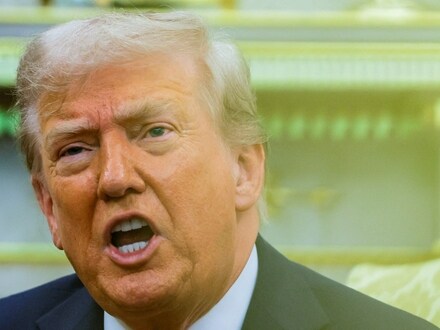
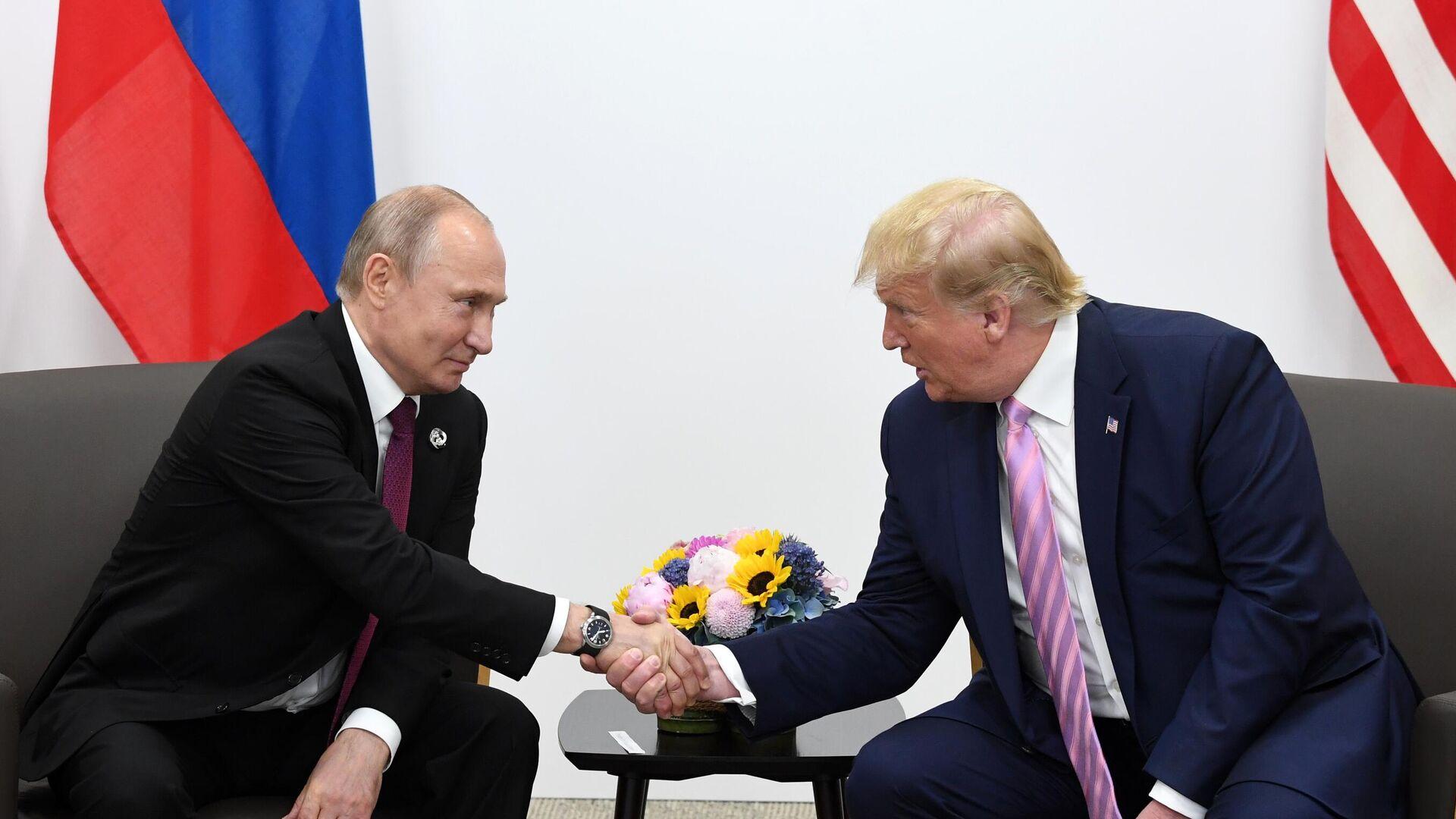
Efforts were made by China, Iran’s largest trading partner, along with Pakistan-backed mediators, to convince the United States to avoid escalating tensions. Former President Donald Trump faced strong criticism for his aggressive warnings against Iran, with Democratic lawmakers in the US condemning his statements as morally unacceptable. Even Pope Leo expressed disapproval of Trump’s approach. Analysts believe Trump’s earlier promise to steer the US away from prolonged conflicts during election campaigns may have influenced his cautious stance.
Control over the strategic Strait of Hormuz in the Persian Gulf remains a complex and costly objective for the US, as nearly 20% of global oil supply passes through this route. Experts estimate that securing the region would require control over nearly 600 km of Iranian territory and deployment of 30,000 to 45,000 troops, making it a long-term and expensive operation. Past experiences in conflicts like Afghanistan and Vietnam are believed to be key factors behind the US reconsidering its approach. Interestingly, Trump is known for taking a “two-week” timeframe before major decisions, a pattern seen in his stance on Iran, the Russia-Ukraine War, and healthcare policies.










Comments (0)
No comments yet
Be the first to comment!