
General


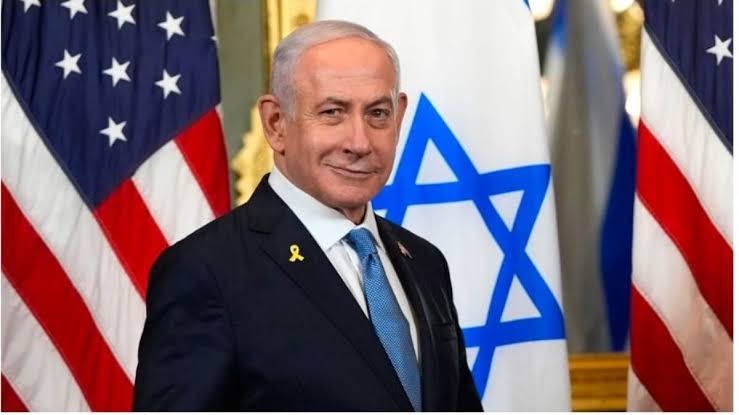
Israel is facing political uncertainty after the 2026 general election produced a hung parliament, with no political bloc securing the 61 seats required for a majority in the 120-member Knesset. According to the final vote count, Prime Minister Benjamin Netanyahu's Likud-led coalition secured 53 seats, while the opposition bloc led by former military chief Gadi Eisenkot won 48. Arab-led parties collectively secured 19 seats, potentially giving them a decisive role in government formation. Likud emerged as the largest single party with 27 seats, followed by Eisenkot's Yashar party with 21, Naftali Bennett's B'Yachad with 12 and the Joint List with 11. With neither major bloc able to form a government independently, negotiations are expected to determine Israel's political future.
Four possible scenarios could resolve the deadlock. The first is a national unity government involving Netanyahu and opposition parties, although deep political differences make this difficult. The second is Netanyahu attracting defectors from opposition parties to secure the eight additional seats needed for a majority. The third is an opposition-led government under Eisenkot with the support of Arab parties, either through a coalition or external backing, although some opposition leaders have ruled out such an arrangement. The fourth possibility is another election if coalition negotiations fail. Under Israel's parliamentary system, President Isaac Herzog will consult party leaders and nominate a candidate to form the government. The newly elected Knesset is scheduled to convene on November 10, while the final election results are due to be submitted to the President on November 4.







Comments (0)
No comments yet
Be the first to comment!