

General


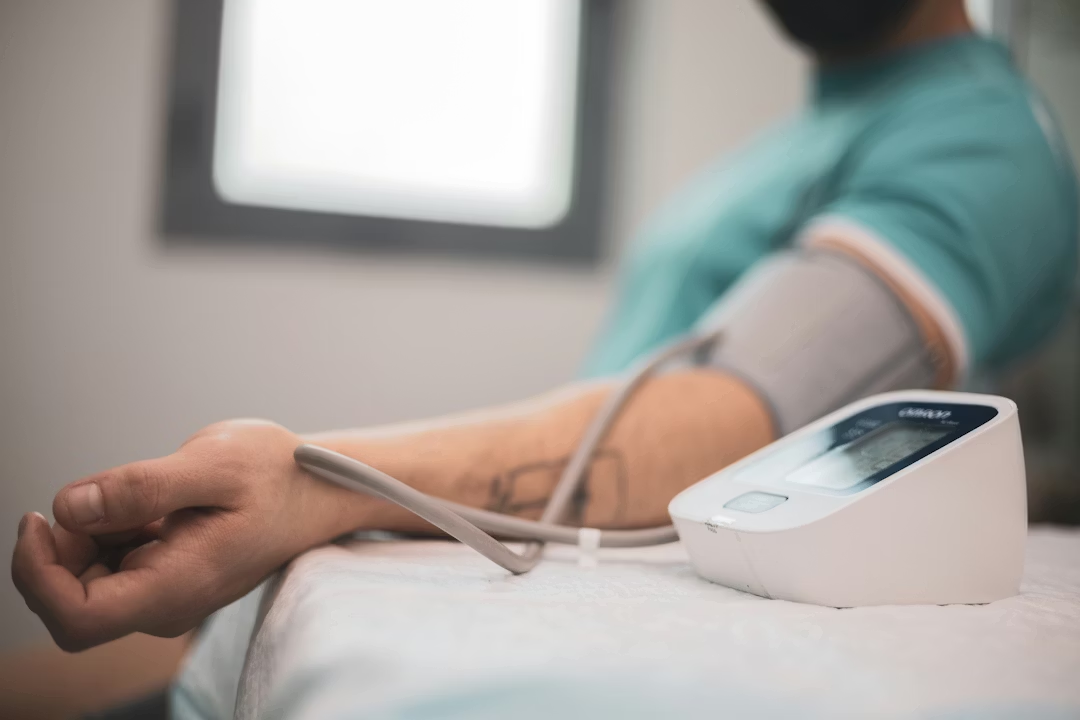
High cholesterol is a common health concern. While cholesterol is essential for our body, high levels can lead to serious issues like heart disease and stroke. Cholesterol is a substance in the blood that helps in cell structure, vitamin D and hormone production.
There are two types of cholesterol – bad (LDL) and good (HDL). High levels of bad cholesterol can create plaque in blood vessels, increasing the risk of heart problems and stroke. Good cholesterol helps reduce these risks.
Symptoms of High Cholesterol:
Chest pain
Leg pain or numbness
Skin changes
Headache or dizziness
Difficulty in breathing
Fatigue and swelling
Irregular heart rate
Jaw or back-of-neck pain
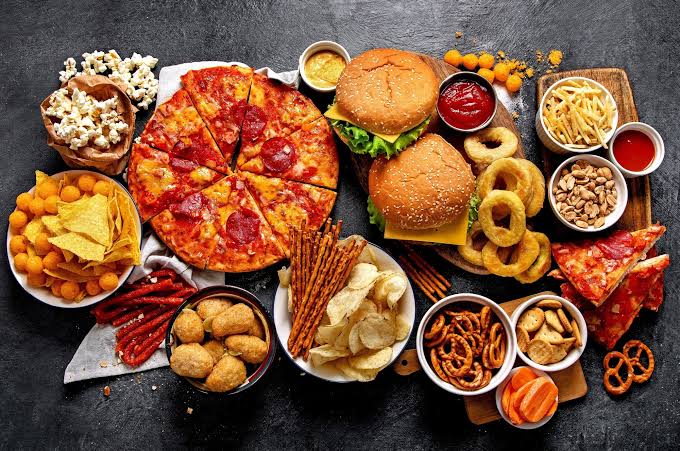
Factors increasing high cholesterol risk include type 2 diabetes, obesity, a diet high in trans fats, lack of exercise and excessive alcohol. To prevent high cholesterol, follow a healthy diet, regular exercise, weight management, avoid processed foods and quit smoking. These habits help reduce bad cholesterol and increase good cholesterol.
Note: Recognizing the signs of high cholesterol and adopting a healthy lifestyle is essential for maintaining heart health. If symptoms are severe or you notice unusual signs, consult a doctor immediately.












Comments (0)
No comments yet
Be the first to comment!