
General


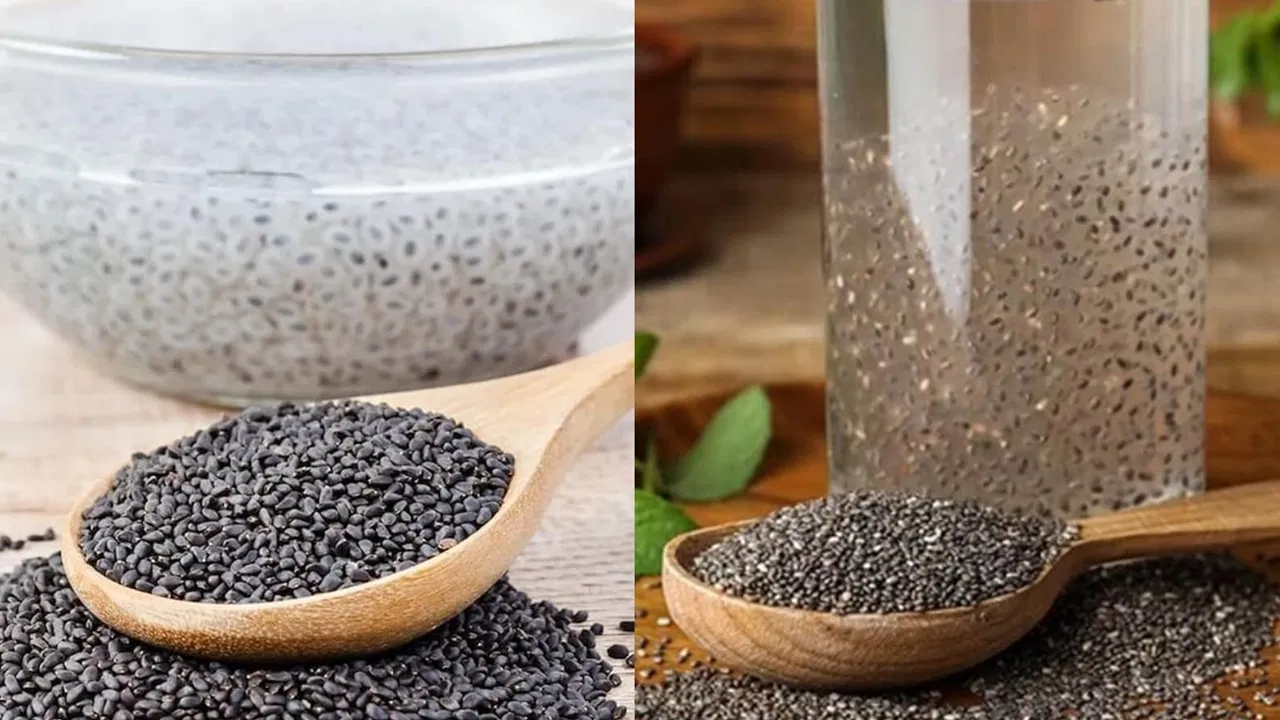
People trying to lose weight often include chia seeds or sabja seeds in their daily diets, commonly consuming them after soaking them in water or adding them to beverages. Both seeds absorb water and swell, while their fibre content may help promote fullness and support appetite control. However, they differ in their nutritional composition and preparation. Chia seeds contain fibre, protein, omega-3 fatty acids, calcium and magnesium. They can be added to yoghurt, oats, smoothies or soaked drinks. Sabja seeds, obtained from the sweet basil plant, develop a translucent, gel-like coating within a few minutes of soaking. They are commonly used in lemonade, buttermilk and falooda. Both can be included in a balanced diet, depending on individual preferences and nutritional needs.
Neither chia seeds nor sabja seeds can be considered a guaranteed solution for weight loss. Although their fibre content may support fullness, there is insufficient evidence to conclude that one is universally more effective than the other for reducing body weight or belly fat. Overall calorie intake, regular physical activity, adequate sleep and balanced eating habits remain essential for weight management. Both types of seeds should be soaked thoroughly in sufficient liquid before consumption. Starting with small quantities may help minimise digestive discomfort, including gas and bloating. People who have difficulty swallowing, digestive concerns, chronic health conditions or take medications that may interact with dietary changes should consult a healthcare professional before making them a regular part of their diet.
Disclaimer: Chia seeds and sabja seeds can be included as part of a balanced diet. However, they are not a substitute for weight-loss medications. People with existing health conditions should consult a healthcare professional before making dietary changes.















Comments (0)
No comments yet
Be the first to comment!