
Movies


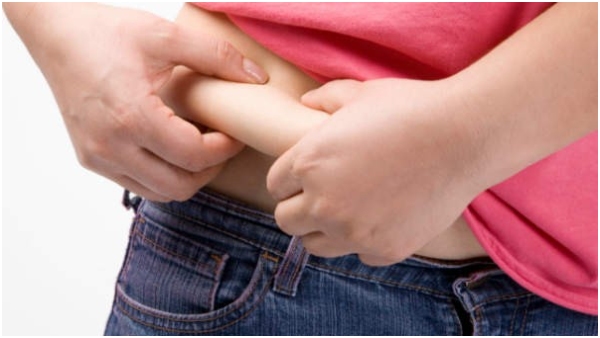
When people notice an increase in body weight, they often assume it is due to excess body fat. However, water retention can also contribute to sudden fluctuations in weight. Water retention occurs when excess fluid accumulates in the body's tissues. The medical term edema refers to swelling caused by this fluid buildup. Common contributing factors include excessive salt intake, hormonal changes, prolonged sitting or standing, and a lack of physical activity. Women may experience temporary fluid retention during menstruation and pregnancy due to hormonal fluctuations. The most common symptoms include swelling in the legs, ankles, hands, fingers or face, shoes or rings feeling tighter than usual, and sudden changes in body weight. Recognising these symptoms can help people understand when fluid retention may be affecting their bodies.
Certain lifestyle changes can help manage mild water retention. Reducing salt intake and limiting processed foods, packaged snacks and junk food are important steps. Drinking adequate water according to the body's needs and including potassium-rich foods, such as bananas and leafy green vegetables, may also help maintain fluid balance. Regular walking, yoga and other light exercises can improve circulation, while taking breaks to move around can be beneficial for people who sit for long periods. However, persistent or severe fluid retention should not be ignored, as it can sometimes indicate underlying conditions involving the kidneys, heart or liver. Anyone experiencing sudden or significant swelling, or symptoms that do not improve, should seek medical advice. Appropriate treatment depends on the underlying cause.















Comments (0)
No comments yet
Be the first to comment!