
Movies


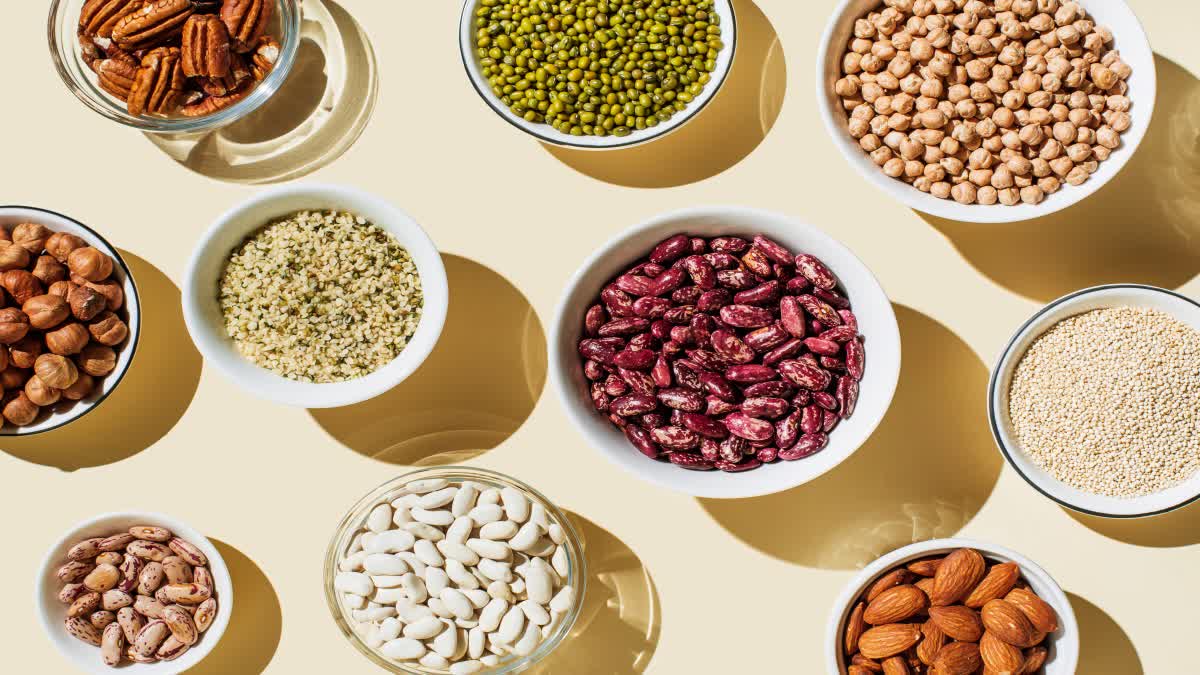
Protein plays an important role in maintaining muscles, repairing tissues and supporting several essential functions in the body. However, ageing can change the way muscles respond to dietary protein. This reduced response is commonly described as anabolic resistance or protein resistance. As a result, older adults may need to pay greater attention to the amount, quality and distribution of protein in their diet rather than simply following the same eating pattern they had when they were younger.
Age-related muscle loss is known as sarcopenia and can gradually affect strength, mobility and physical independence. Early signs may include reduced grip strength, slower walking speed and difficulty climbing stairs. Doctors advise including quality protein sources such as pulses, dairy products, eggs, lean meats and nuts across different meals, rather than consuming most of the day's protein in a single meal. Protein intake should also be combined with regular physical activity, particularly resistance or strength exercises, which provide a stimulus for maintaining and building muscle. Individual protein requirements can vary depending on age, body weight, physical activity, overall health and recovery from illness or surgery, so personalised dietary advice may be appropriate.
Note: This information is provided for general awareness and is not a substitute for medical diagnosis or treatment. Protein requirements differ from person to person, particularly among older adults and people with medical conditions. Consult a qualified healthcare professional or registered dietitian before making major changes to your diet or protein intake.















Comments (0)
No comments yet
Be the first to comment!