
Shows

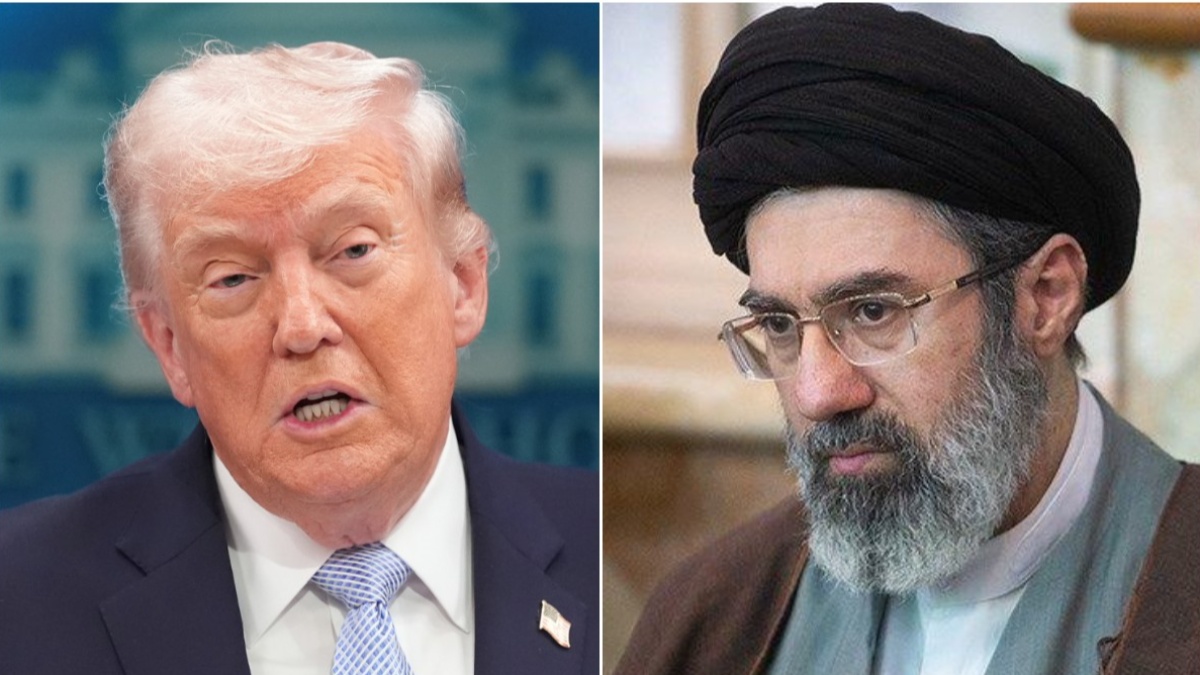
The United States and Iran have announced that they have reached an understanding on a proposed peace agreement and are expected to formally sign the deal on June 19. While the complete details of the agreement have not yet been disclosed, world leaders, including Indian Prime Minister Narendra Modi, have welcomed the development. Reports suggest that the proposed memorandum of understanding includes measures to end hostilities, reopen the Strait of Hormuz for free commercial navigation, ease sanctions on Iran, release frozen Iranian assets, and support the country’s reconstruction efforts. The agreement is also believed to address Iran’s nuclear program and the future presence of US military forces in the Gulf region.
Despite growing optimism, questions remain over the long-term sustainability of peace in the region. Israel has indicated that it is not a party to the proposed agreement and has reiterated its commitment to maintaining military operations against perceived security threats in Gaza, Lebanon, and Syria. Analysts believe the deal could significantly benefit the global economy by stabilizing crude oil supplies, reducing inflationary pressures, and improving international trade routes. For India, renewed access to Iranian energy resources and progress on the Chabahar Port project could strengthen trade and connectivity with Central Asia and beyond. However, a lasting resolution to the broader Middle East conflict remains uncertain without progress toward a two-state solution involving Israel and Palestine.











Comments (0)
No comments yet
Be the first to comment!