

General


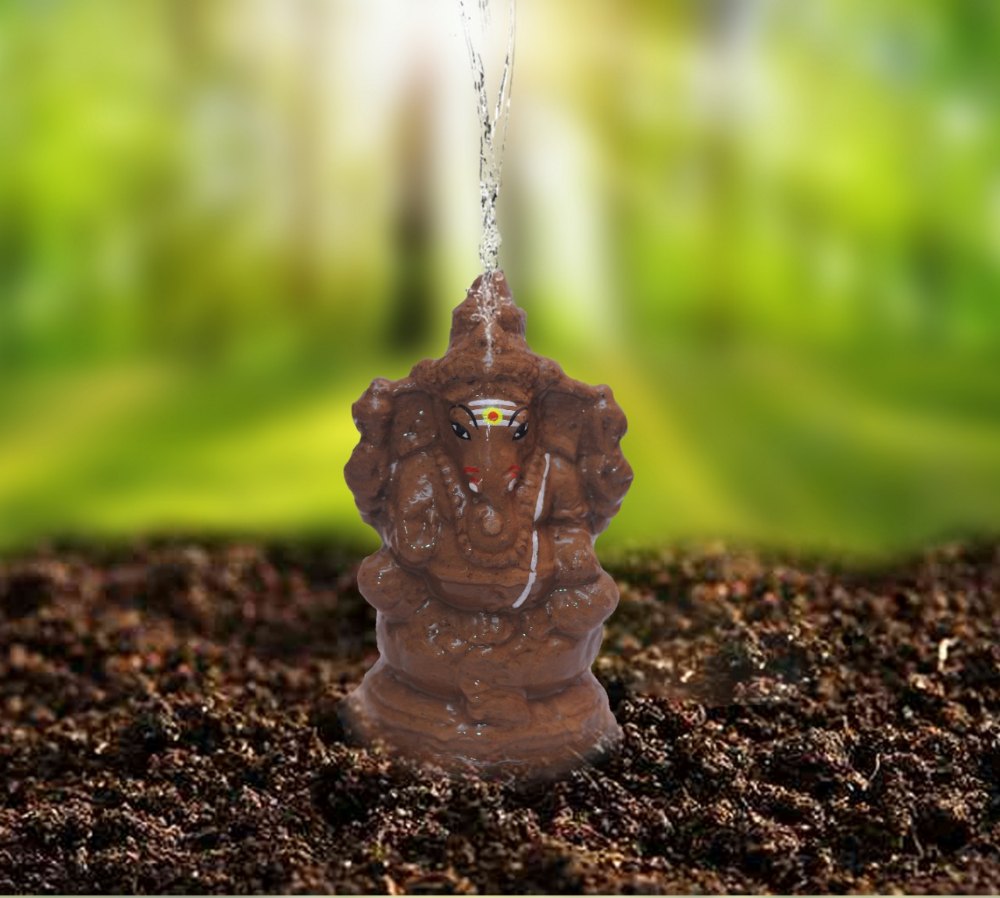
Ganesh Chaturthi celebrations can take an eco-friendly turn with the growing adoption of the Seed Ganesha concept. Instead of conventional idols, Seed Ganesha idols are made using natural materials such as clay, red soil, organic manure, coconut fibre, cotton and cow dung. Seeds of plants such as tulsi, neem, peepal, bael, mango, tamarind and flowering plants can be placed inside the idol. Chemical paints are avoided, with natural materials such as turmeric, vermilion, sandalwood and rice flour used for decoration. After the puja, the idol can be immersed gradually in a pot or a suitable area at home. As the natural material dissolves, the seeds can germinate and grow into plants, giving the festival an enduring environmental message.
Environmental organisations, volunteers, students, artisans and clay idol makers in Telangana and Andhra Pradesh are promoting the concept. Seed Ganesha idols are also being produced as a livelihood opportunity for traditional artisans in several districts. Meanwhile, pollution-control authorities are encouraging the use of clay idols and working to reduce the use of Plaster of Paris and chemical colours. Conventional PoP idols can take a long time to dissolve and may contribute to water pollution, while chemical colours can introduce harmful substances into aquatic ecosystems. Studies and monitoring efforts around water bodies in Hyderabad, Vijayawada and Visakhapatnam have highlighted concerns over changes in water quality following large-scale idol immersion. Choosing biodegradable idols can therefore help make celebrations more environmentally responsible.














Comments (0)
No comments yet
Be the first to comment!