Health


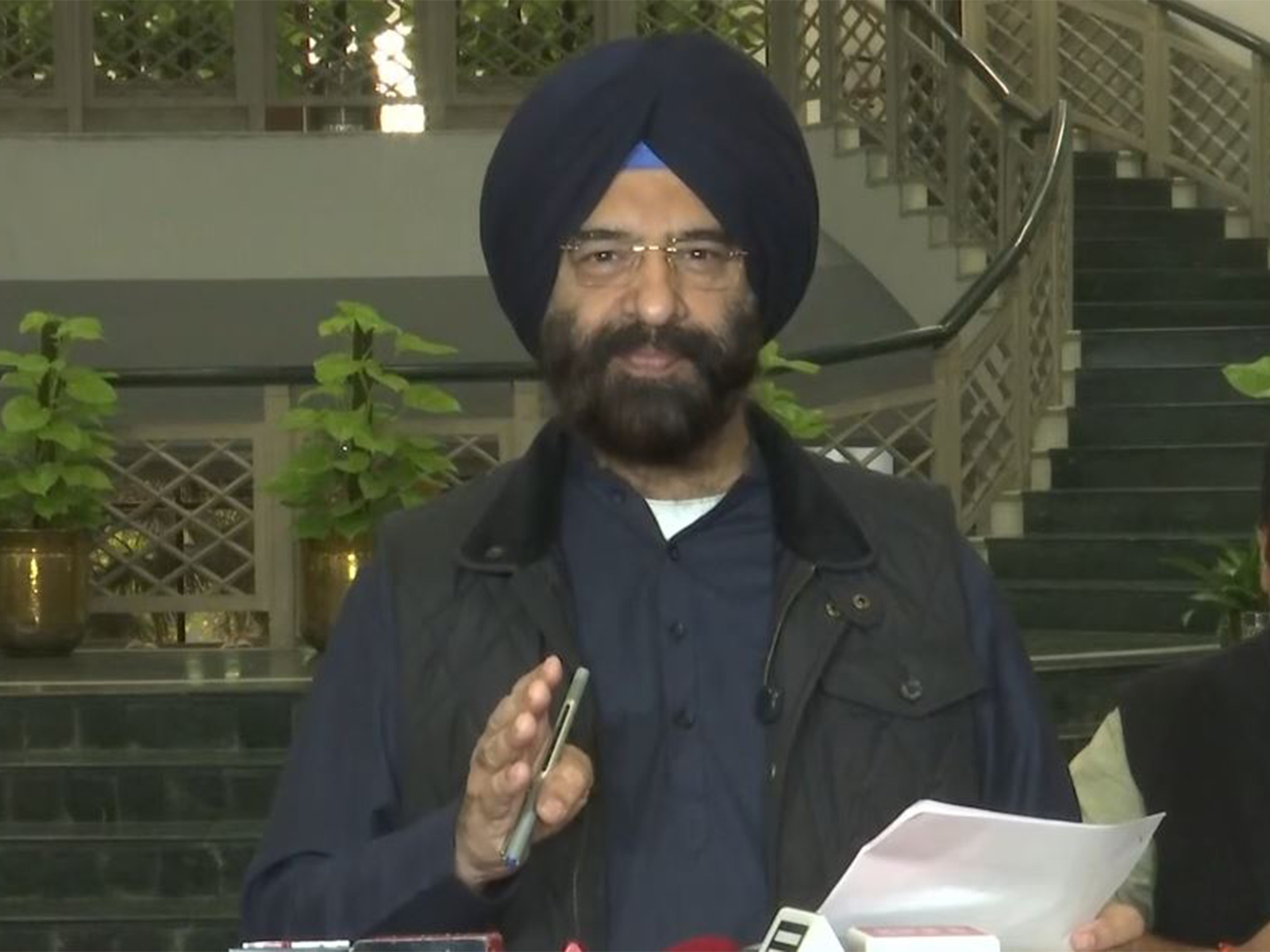
The government's fight against air pollution in the national capital Delhi is bearing fruit. On Saturday (October 24), Delhi Environment Minister Manjinder Singh Sirsa announced that the city's Air Quality Index (AQI) was recorded at 191 in the 'moderate' category, which is the best air quality recorded in the last decade. He said that excluding the COVID-19-affected period, this is the best AQI in ten years. He described it as an important milestone in the Delhi government's continuous fight against air pollution.
Looking at the past figures, the AQI on October 24, 2024 was recorded at 306 and in 2025 at 275, and the reduction to 191 this year marks a significant progress. He said that this positive change was possible due to consistent measures taken to prevent pollution, strict enforcement and coordinated intervention by various government agencies.
Sirsa said that the Delhi government, under the leadership of Chief Minister Rekha Gupta, is adopting a comprehensive, action-oriented approach to pollution control. He said that the focus is on curbing pollutants at the source with multi-pronged strategies like field-level enforcement of norms, regular inspections, district-level reviews, and technology-based monitoring.
The minister said that this improvement in air quality has been possible due to the continuous efforts of the government, the collective cooperation of officials, field staff and Delhi residents. He thanked the people of Delhi for supporting this campaign for clean air. He assured that their efforts will continue to improve air quality in the future as well. He clarified that pollution control is a top priority for the government and all the concerned departments have been instructed to take strict action against those violating the norms. Sirsa reiterated that this campaign will be continued on a war footing with accountability, effective implementation and public participation.
As part of intensifying pollution control measures, the details of key steps taken by the government in the last 24 hours were also revealed. Challans were issued to 9,883 vehicles to curb vehicular pollution. 12,702 metric tons of garbage were removed from identified areas. Water was sprayed on 1,075 kilometers of roads to control dust. 2,223 metric tons of construction and demolition waste were removed, and 2,810 kilometers of roads were cleaned through mechanical sweeping.









Comments (0)
No comments yet
Be the first to comment!