

Gossips


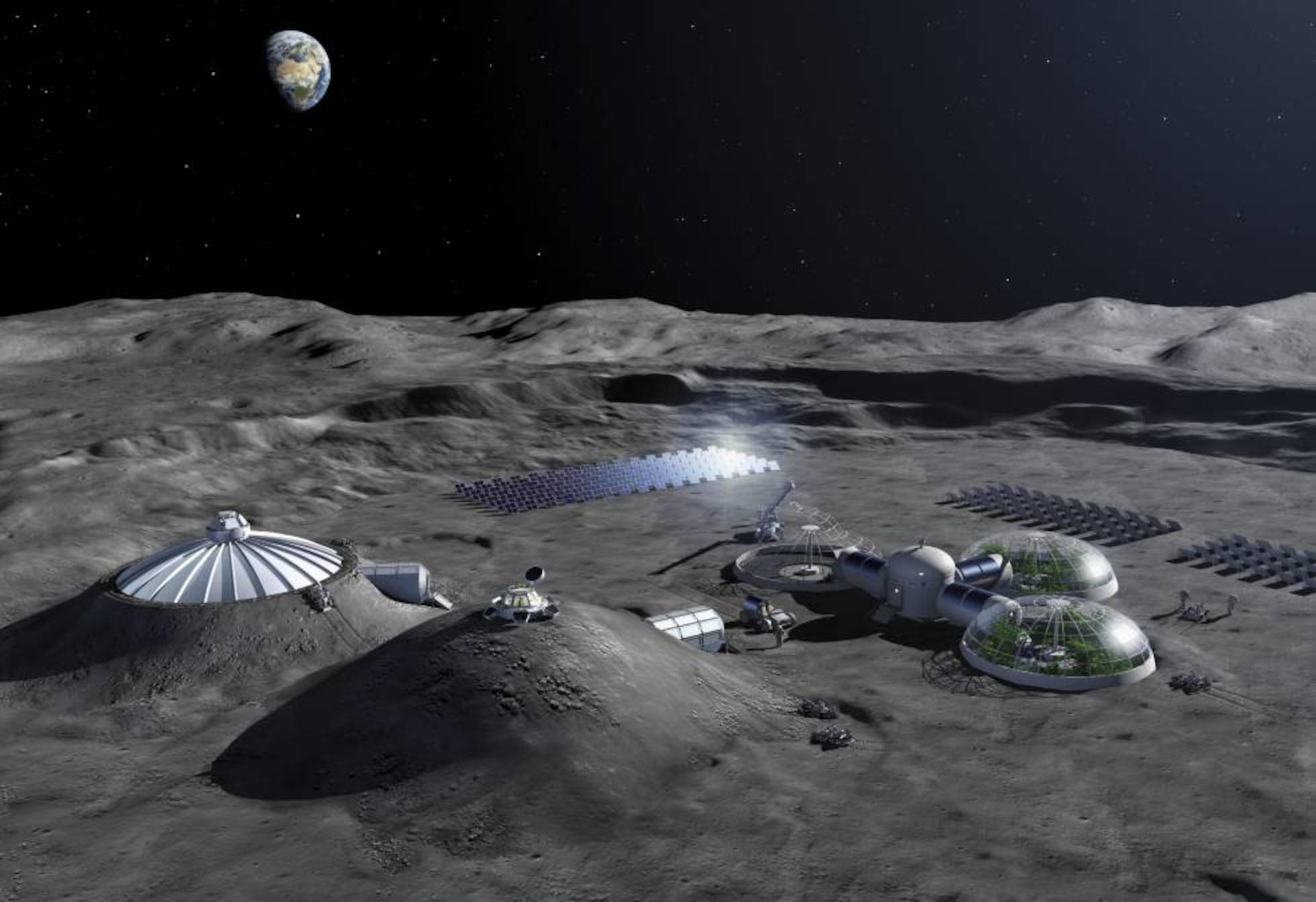
Scientists at the University of Delaware have made significant progress toward enabling future human settlements on the Moon by developing cement-like construction materials using simulated lunar soil. Since transporting cement, water and other building materials from Earth to the Moon would be extremely expensive, researchers are exploring ways to utilize lunar regolith—the layer of loose rock and dust found on the Moon. By combining simulated lunar soil with an alkaline solution, the team produced geopolymer-based construction materials designed for extraterrestrial habitats. Similar materials representing Martian soil were also developed for comparative research.
The researchers sent four material samples to the exterior of the International Space Station (ISS), where they were exposed to the vacuum of space, radiation and extreme temperature fluctuations for six months. After being returned to Earth, three of the four samples showed no signs of structural degradation, demonstrating their ability to withstand the harsh space environment. One lunar regolith sample also exhibited 35% greater strength than its Earth-based counterpart, although scientists attributed this improvement to pre-launch bakeout testing rather than exposure to space. The findings represent an important step toward building durable structures on the Moon using locally available materials.














Comments (0)
No comments yet
Be the first to comment!