
OTT


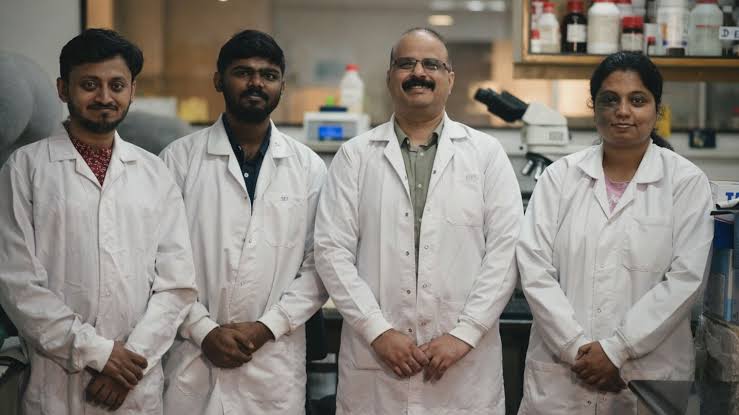
Researchers at the Centre for Cellular and Molecular Biology (CCMB) have identified a protein that helps the human body detect harmful viruses and activate its natural immune response. A research team led by Dr. Santosh Chauhan has been studying the functions of human proteins for the past seven years. As part of this research, the team identified the protein DZP3. The findings have been published in The EMBO Journal. According to the study, when a virus enters a cell, the protein becomes active and changes its structure. It then moves towards the mitochondria and triggers the body's immune response, helping it recognise and fight the viral threat.
The study found that DZP3 helps stimulate the release of protective molecules called type I interferons, which play an important role in restricting viral spread. Dr. Chauhan stated that the protein may provide protection against several viruses, including SARS-CoV-2, chikungunya and Japanese encephalitis viruses. However, he emphasised that further research is necessary to understand its role more thoroughly. Based on these findings, the research team is exploring the development of drugs that can activate DZP3 and potentially strengthen the body's natural immune defences. The research was funded by the Union government's Department of Biotechnology and could open new avenues for developing antiviral treatments.












Comments (0)
No comments yet
Be the first to comment!