




Shows


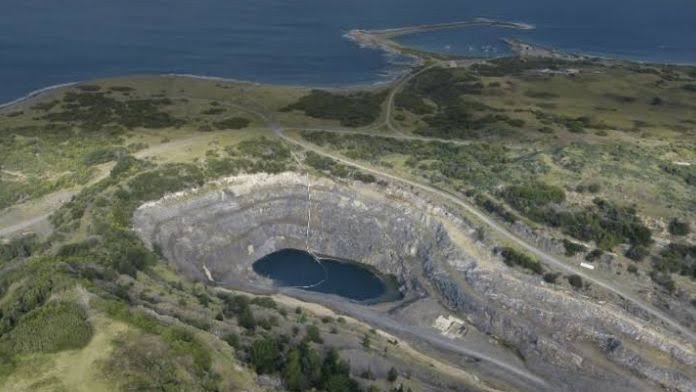
Australia’s Dolphin Mine on King Island is once again attracting global attention as tungsten demand rises amid growing geopolitical and military tensions. The mine, regarded as one of the world’s significant and deepest tungsten deposits, has historically seen activity during periods of heightened demand for the metal. Operations began there in 1917 during the First World War, when tungsten was required for defence-related manufacturing. Mining activity declined after the war and later resumed in 1938 as demand increased ahead of the Second World War. The mine was also active during the Korean and Vietnam wars and remained significant during the Cold War before eventually closing in the late 1980s.
Interest in tungsten has increased sharply in recent years because of its strategic importance and limited global supply. The metal’s exceptional hardness and high melting point make it valuable for armour components, armour-piercing applications, missile and rocket components, radiation shielding and high-speed cutting tools. China remains the world’s dominant tungsten producer, while the United States and other countries are seeking alternative supplies of critical minerals. Renewed activity at Dolphin Mine is therefore being closely watched as countries compete to secure strategic mineral resources amid changing global security and supply-chain conditions.













Comments (0)
No comments yet
Be the first to comment!