

General

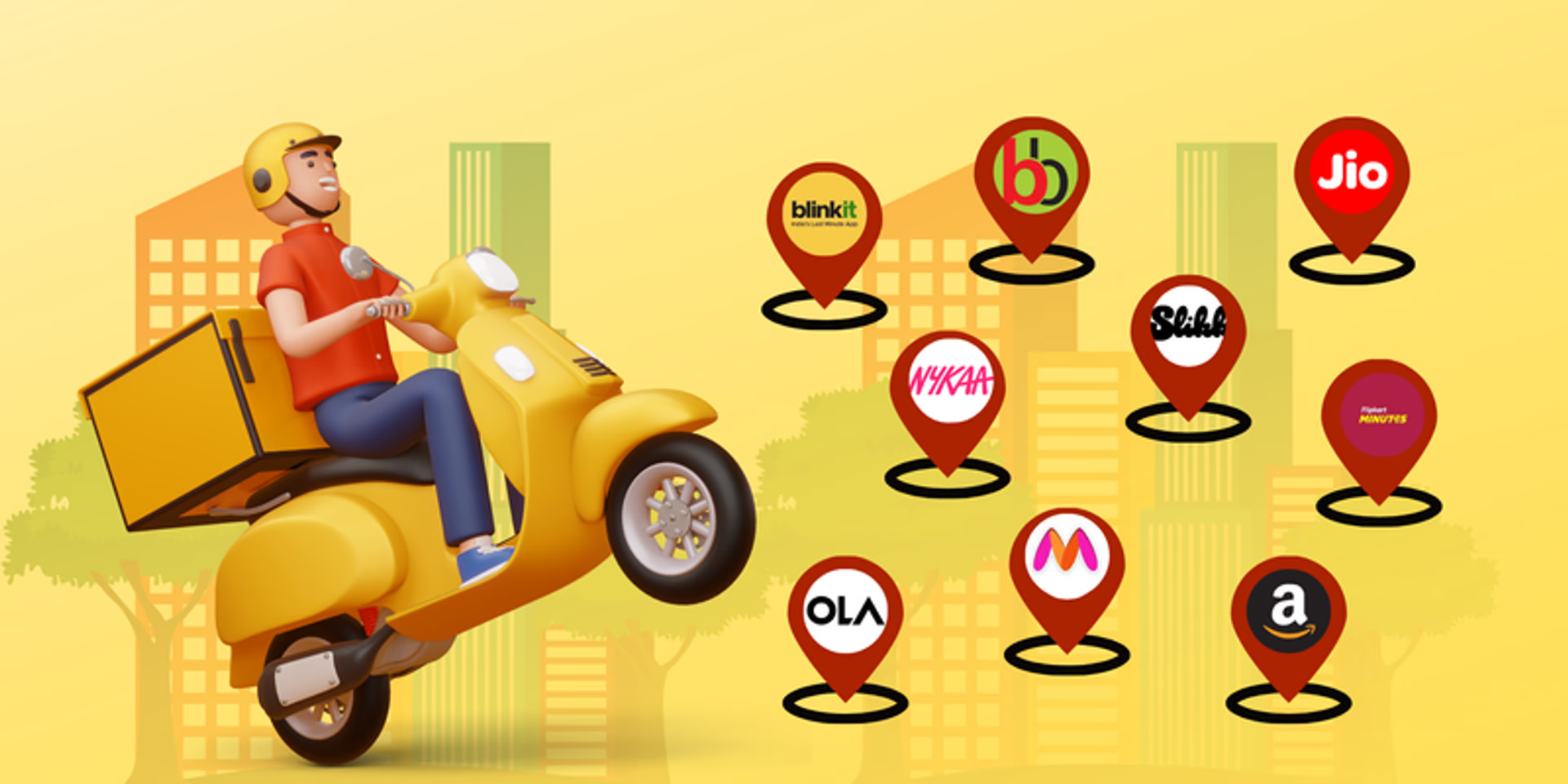
The competition in quick commerce is no longer limited to faster deliveries. Companies are increasingly focusing on their own brands to improve margins, gain greater control over pricing and inventory, ensure product availability and retain customers on their platforms. Industry estimates suggest that private labels accounted for around 6% of quick commerce sales at the beginning of 2025, with their share now rising to nearly 16%. Daily essentials such as rice, pulses, flour and cooking oil are emerging as the primary categories for these brands.
BigBasket is currently ahead of several rivals in private label sales, with its own brands contributing around 35% of overall revenue. Swiggy’s Instamart is also expanding aggressively, with Supreme Harvest accounting for a significant share of its staples business. Zepto’s Daily Good has also gained ground in staples, while Blinkit’s Whole Farm is taking a more selective approach by focusing on categories such as millets and specialised staples. Quick commerce companies are also moving into premium snacks, beverages, dry fruits, fruits and vegetables, where private labels can deliver higher margins.
Higher profitability is one of the biggest reasons behind the shift towards private labels. Industry estimates indicate that quick commerce companies can earn margins of around 15% to 25% on private-label staples, almost twice the margins available on third party brands. These products are also often priced lower to attract customers and drive volumes. At the same time, private labels give platforms greater control over inventory and availability. Since customers can quickly switch to another app when a product is unavailable, companies are increasingly using their own brands to forecast demand and maintain adequate stock.













Comments (0)
No comments yet
Be the first to comment!