
Movies

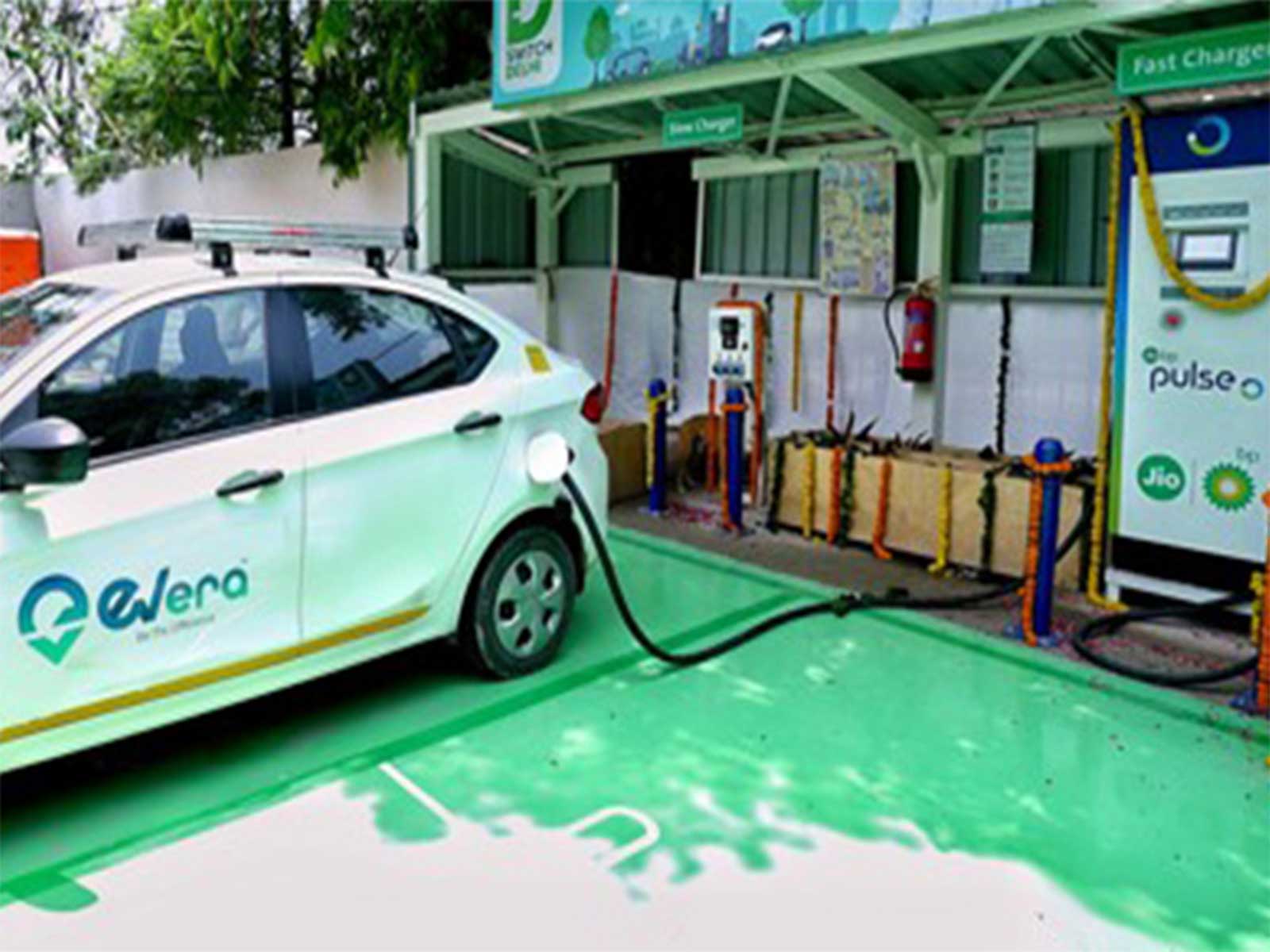
India is making steady progress in expanding its electric vehicle charging infrastructure. As of July 2026, the country had 52,718 public EV charging stations, including 16,561 with fast-charging facilities. However, simply increasing the number of fixed charging stations may not completely address the challenges faced by EV users. Highways, in particular, require reliable power supply, compatible connectors and efficient charging capacity. If an EV runs out of battery in an area without a nearby charging station, the situation can become difficult for motorists. This has created an opportunity for mobile EV charging services that can provide emergency assistance on the road.
Once an EV owner requests assistance, a mobile charging vehicle can travel to the location and provide the required amount of charge. Customers are generally charged based on the amount of energy supplied, allowing them to take only enough charge to reach a nearby charging station if needed. These units are being positioned as emergency roadside services, similar to breakdown assistance for conventional vehicles. In the future, petrol pumps and highway service centres could evolve into multi-energy mobility centres offering fuel, EV fast charging and mobile charging support. Ethanol-powered generators can also be used to operate mobile charging units in areas without grid connectivity. However, these emergency services may cost more because operators have to cover vehicle, equipment, electricity, maintenance, manpower and travel expenses. Companies operating in India’s mobile EV charging space include Hopcharge, Charger on Wheels, EV Recharge, Chargeo, SpareXchange/Nezo Energy India, Mobec Innovation, EzUrja, MyFuelEV and Oltamp Renewable Energy.












Comments (0)
No comments yet
Be the first to comment!