



General


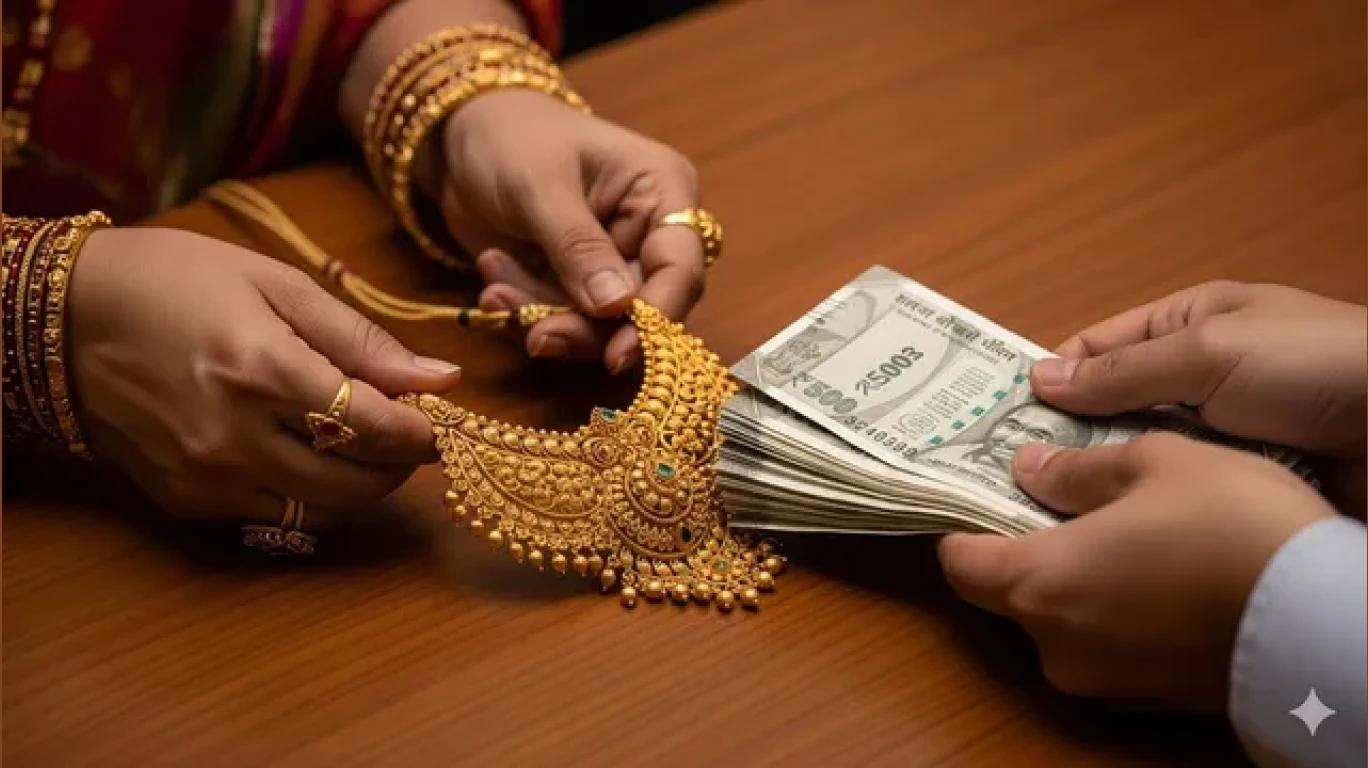
With gold prices remaining at elevated levels, old jewellery is increasingly finding its way into organised financial and jewellery markets. Banks and non-banking financial companies (NBFCs) provide loans against gold jewellery, while organised jewellery retailers are also expanding programmes under which customers can sell old gold for cash or exchange it for new ornaments. For customers, the choice essentially comes down to whether they need temporary liquidity through a loan or want to permanently sell old jewellery. Gold-backed lending involves pledging the jewellery as collateral, while a sale transfers ownership.
For jewellery companies, buying old gold can provide access to recycled metal and help reduce dependence on newly imported bullion. Old designs that customers no longer use, changing preferences and high gold prices can encourage households to monetise their holdings. The metal can subsequently be refined and recycled for use in new jewellery. Modern assaying and purity-testing equipment can also make valuation faster and more transparent, although customers should verify the purity assessment, deductions and final price before completing a transaction. The trend also creates competition between gold-loan providers and traditional gold buyers. At the broader economic level, greater recycling of domestically held gold could supplement supply and potentially reduce dependence on imports, although the extent of this impact will depend on how much old gold enters the organised recycling chain. RBI regulations also prescribe safeguards around gold-backed lending, including valuation, assaying and loan-to-value requirements.












Comments (0)
No comments yet
Be the first to comment!