





General


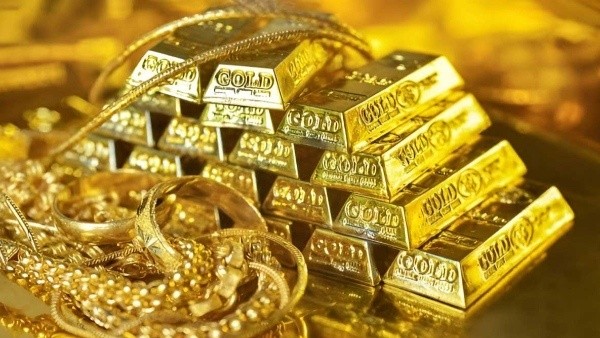
Gold prices have witnessed a sharp correction in the international market. After touching a record high of around $5,600 per ounce (31.1 grams) in late January 2026, prices declined to approximately $4,179 by October 16 and slipped below the key $4,000 mark by October 30. This represents a fall of more than 25% from the peak. In the domestic market, the price of 10 grams of 99.9% pure gold dropped from around ₹1,83,000 in January to ₹1,45,000. The decline has raised questions about whether the gold bull run has ended and whether Dhanteras is an appropriate time to buy the precious metal. According to an ASSOCHAM estimate, Indian households held gold worth nearly $5 trillion as of April 2026, exceeding the combined value of gold reserves held by the world's top ten central banks. Gold continues to remain an important part of household savings in India.
Rising yields on US Treasury bonds have put pressure on gold prices, but central banks have continued to accumulate the precious metal. Central banks made net purchases of 289 tonnes of gold in the second quarter of 2026. Meanwhile, domestic gold exchange-traded funds (ETFs) attracted net investments of ₹4,451 crore in September. The article suggests that long-term investors may consider allocating around 10–15% of their portfolios to gold, depending on their existing holdings, financial goals and risk tolerance. Investing gradually over six to twelve months instead of making a large one-time investment is another approach. While jewellery purchases involve making charges and purity-related concerns, the India International Bullion Exchange at GIFT City offers access to physical gold based on international dollar prices. However, investors should remember that gold prices can remain volatile and make decisions based on their individual financial circumstances.












Comments (0)
No comments yet
Be the first to comment!