
General


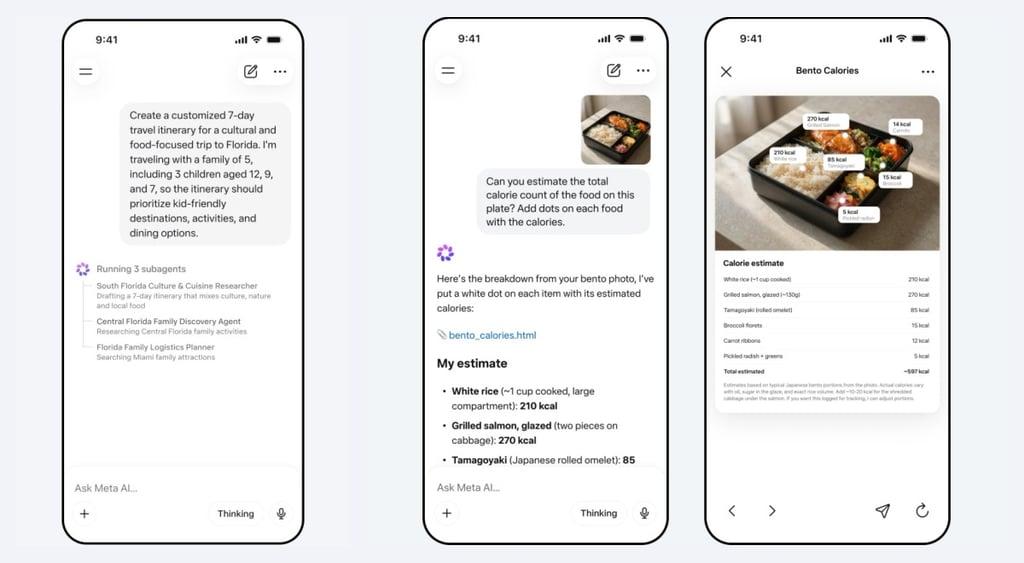
Meta’s personal AI agent Muse has quickly become a major topic in the technology world following its launch earlier this month. The AI agent, powered by Meta’s Muse Spark large language model, is designed to carry out tasks on behalf of users, including filling online forms, organising emails, booking travel, creating shopping lists and making purchases. It can connect with services such as email, calendars, payments, e-commerce and other apps to complete these tasks.
Muse has gained millions of downloads and reached the top of the US free app charts, increasing attention around consumer-focused AI agents. At the same time, Amazon has blocked Muse from accessing its shopping platform, citing concerns over security, privacy and its terms of service. Security researchers have also reported a zero-day vulnerability that they say could potentially allow an attacker to access the token used to authenticate a Muse account. These developments have raised broader questions about how much access personal AI agents should have to users’ accounts and how online platforms will regulate automated agents.














Comments (0)
No comments yet
Be the first to comment!