Politics


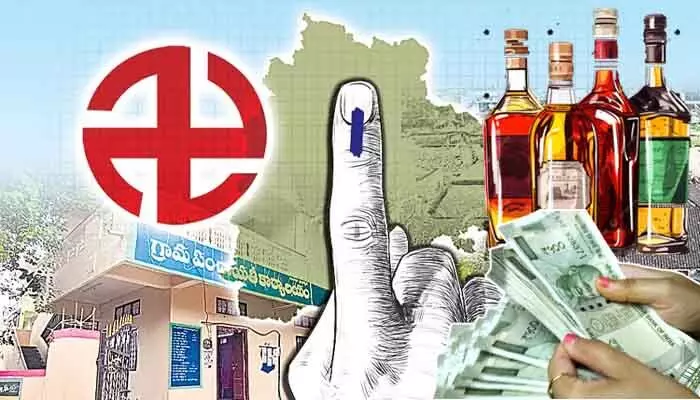
The recently concluded Sarpanch elections across the state have reportedly witnessed unprecedented levels of spending, with total expenditure estimated to have crossed ₹11,000 crore. Political observers describe this as a record in the history of Panchayat elections.
In most villages, candidates engaged in intense spending battles to secure victory. Reports suggest that winning candidates spent between ₹50 lakh and ₹60 lakh, while those who lost still incurred expenses of around ₹40 lakh. Other candidates in the fray reportedly spent close to ₹10 lakh each. Ward members also spent according to their financial capacity.
On average, nearly ₹1 crore was spent per village solely for Sarpanch elections.
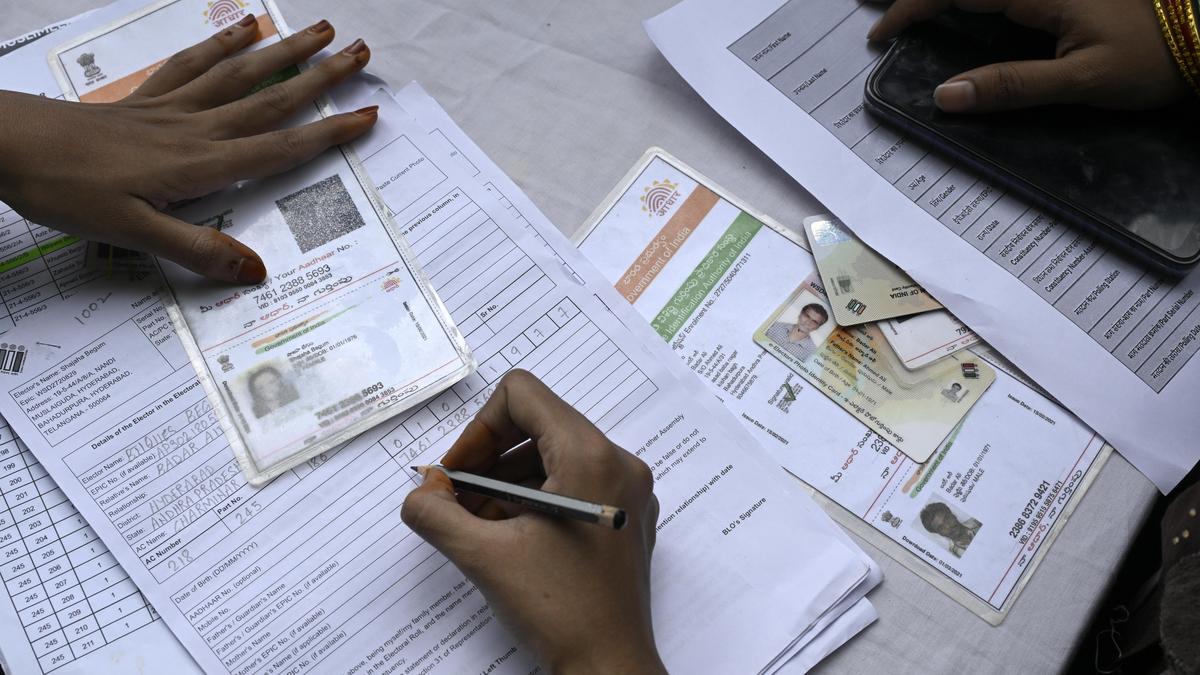
Elections were conducted in 12,728 villages across the state in three phases. Of these, around 1,200 villages recorded unanimous elections, while polls were held in the remaining 11,528 villages. Analysts estimate that combined spending in these villages pushed the total election expenditure beyond ₹11,000 crore.
Earlier, Sarpanch elections were relatively modest affairs, with limited cash distribution. Candidates typically relied on caste meetings, addressing community needs, distributing sports equipment to youth, or hosting modest dinner gatherings. This time, however, direct cash distribution to voters became widespread.
Most candidates were not affluent individuals. Many were small farmers owning four to five acres of land. Driven by fear of losing face in the village, candidates spared no expense. In several villages, candidates reportedly sold land, gold, or mortgaged assets to raise funds for campaigning.
In many areas, ₹1,000 per vote was distributed, while in some villages voters received ₹2,000 to ₹3,000. In highly competitive villages, the amount reportedly went up to ₹5,000 per vote.
On the eve of polling, households received chicken packets, women voters were given sarees, utensils, rings, and household items, while men were supplied with liquor bottles. Additionally, campaign workers were provided alcohol during night-time campaign activities, making liquor distribution a routine practice.



Comments (0)
No comments yet
Be the first to comment!