





General


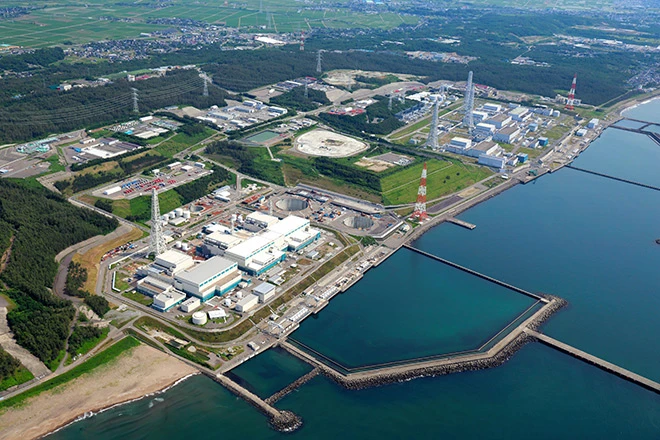
Japan has restarted the world’s largest nuclear power facility, the Kashiwazaki-Kariwa Nuclear Power Plant, marking a significant shift in its energy policy. The plant, which had remained shut due to technical and safety concerns, is now preparing to resume electricity generation.
Following the devastating earthquake and tsunami in 2011 that led to the nuclear accident at the Fukushima Daiichi Nuclear Power Plant, Japan suspended operations at nuclear facilities nationwide as a precautionary measure.
In recent years, however, Japan has been seeking to reduce its dependence on fossil fuels and achieve carbon neutrality by 2050. The rapid growth of artificial intelligence and digital infrastructure has also driven a sharp increase in electricity demand, prompting the government to reconsider nuclear energy as a stable power source.
An initial attempt to restart the Kashiwazaki-Kariwa plant in January was halted after a monitoring alarm was triggered. Now, one of the reactors has successfully resumed operations at 2:00 pm on Monday, according to a statement issued by Tokyo Electric Power Company.
Authorities said that full-scale operations at the plant will begin after comprehensive safety inspections are completed next month. The facility houses a total of seven reactors, which are expected to be brought online in phases.













Comments (0)
No comments yet
Be the first to comment!