

politics

The 40-day conflict has demonstrated that Iran is far from the weak nation the United States had anticipated. Iran managed to challenge the administration of Donald Trump, showcasing resilience and strategic strength. With renewed confidence, Iran is now expected to approach peace negotiations with stronger conditions. While Trump has described the proposed agreement as a comprehensive deal aimed at reopening the Strait of Hormuz, Iran has made it clear that it will allow vessels to pass only under the supervision of its armed forces, potentially turning it into an economic resource through tariffs. Trump’s strong warnings, including threats of severe consequences if Iran does not comply, were intended to pressure Tehran. However, current developments suggest that greater acceptance has been shown towards Iran’s proposed conditions rather than the United States’ demands.
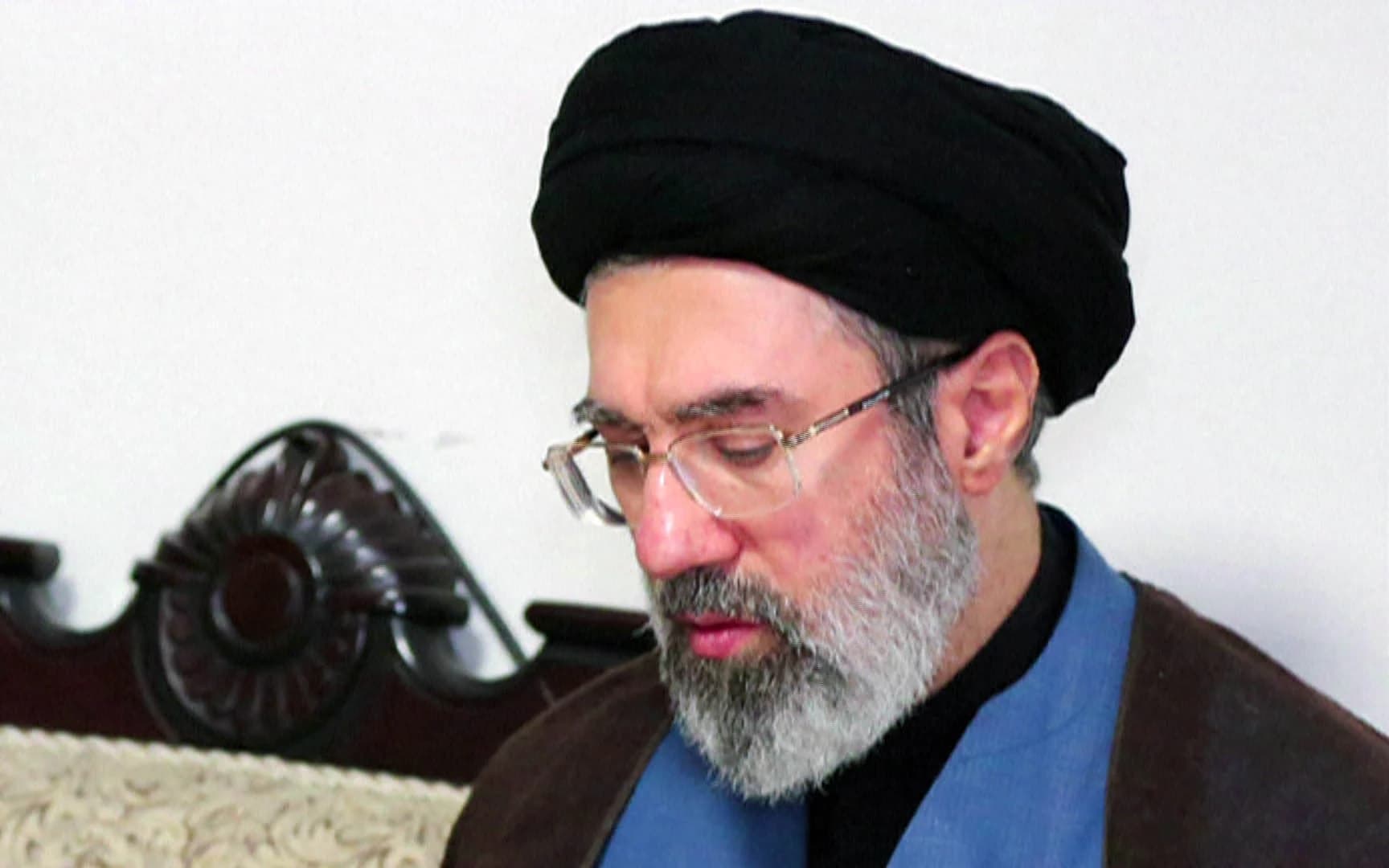
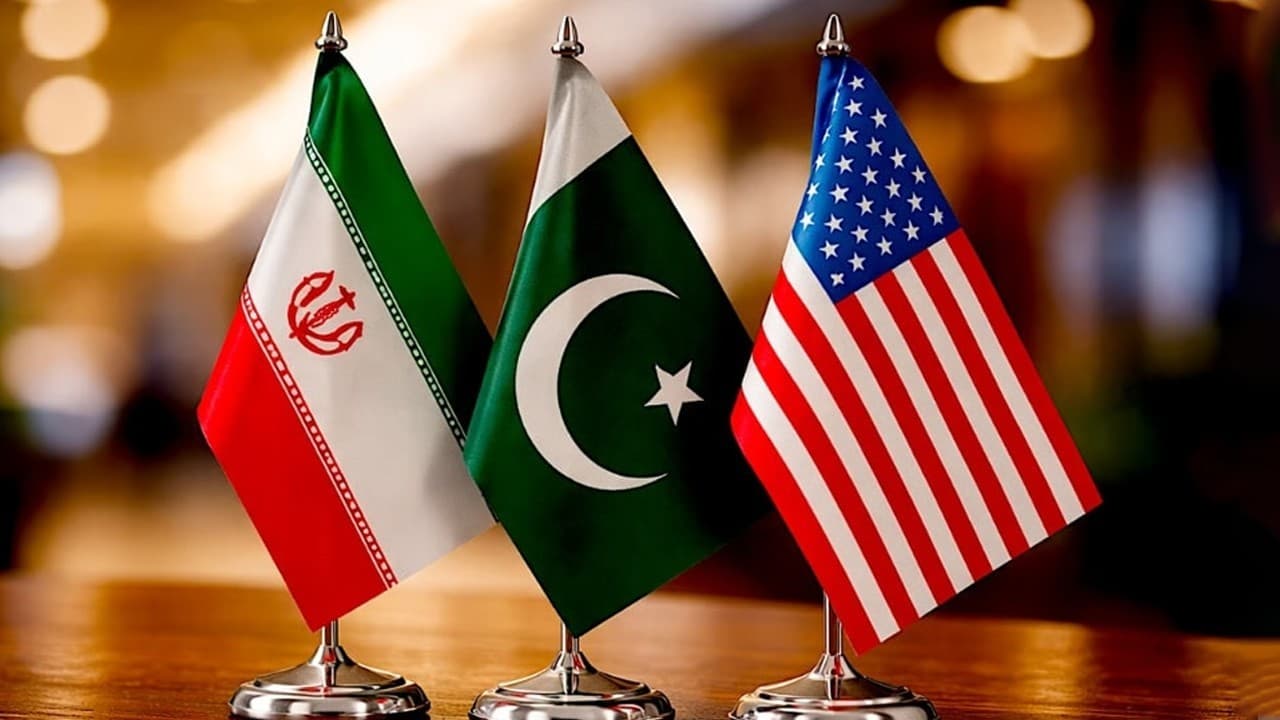
Despite technological superiority from the United States and Israel, Iran has responded with determination and is now heading into peace talks in Islamabad with high morale. Public sentiment within Iran has also shifted, with citizens rallying behind the government following initial unrest. The Islamic Revolutionary Guard Corps has reassured the nation of its capability to face future conflicts. Even after suffering significant losses, Iran has signaled that it will not surrender. Meanwhile, Iran’s Supreme Leader Ali Khamenei remains a central figure, with discussions around succession involving Mojtaba Khamenei. Iran has firmly rejected the US demand to completely abandon its nuclear program, reinforcing its stance in ongoing negotiations.








Comments (0)
No comments yet
Be the first to comment!