





Politics


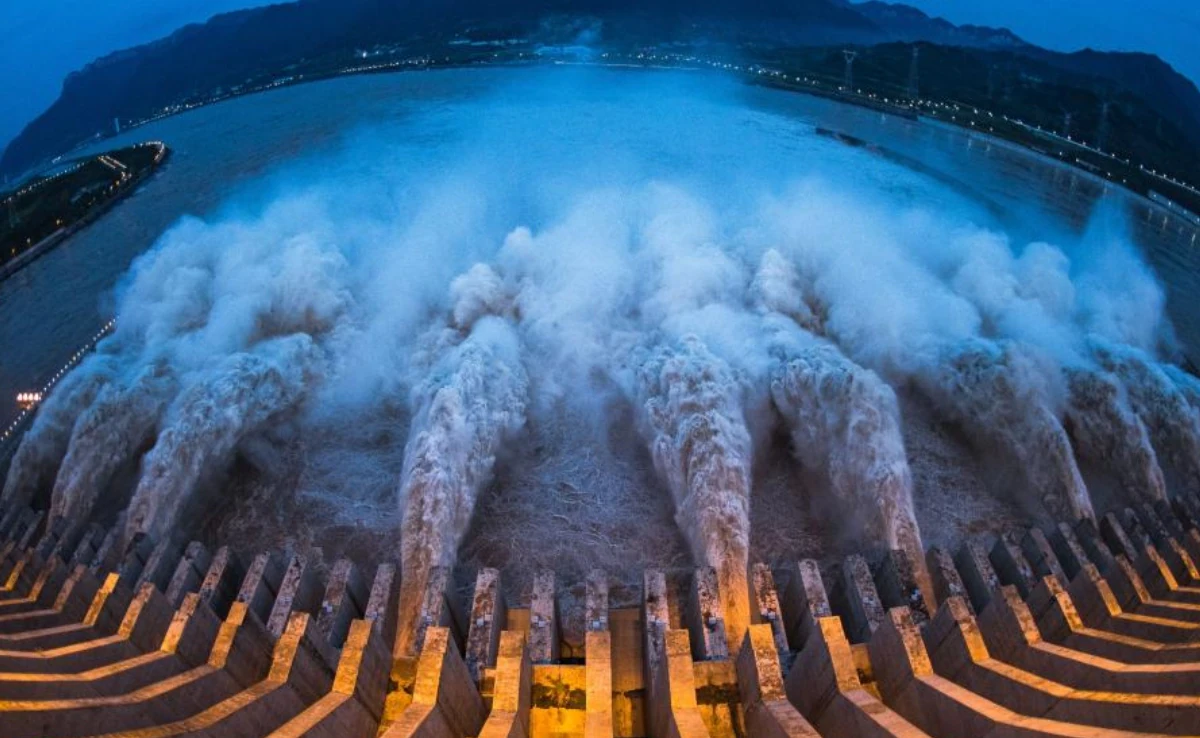
China has begun constructing one of its largest and most controversial infrastructure projects—a massive hydropower system on the Yarlung Tsangpo river in Tibet. While Beijing presents the project as a clean energy initiative, experts warn that it could have far-reaching consequences for India and downstream nations, especially communities and ecosystems dependent on the Brahmaputra basin.
The Yarlung Tsangpo flows from Tibet into India, where it becomes the Brahmaputra River, a lifeline for millions who rely on it for agriculture, fisheries, and daily water needs. Experts caution that large-scale upstream interventions could alter the river’s natural flow patterns in unpredictable ways.
According to reports, the $168 billion project will exploit a dramatic 2,000-metre elevation drop to generate hydropower. While China describes it as a climate-friendly energy source, specialists warn that it may disrupt fragile ecosystems and displace local communities with deep ancestral ties to the region.
The project is believed to involve a highly complex network of dams, reservoirs, tunnels, and underground power stations. Brian Eyler, Director of the Energy, Water, and Sustainability Program at the Stimson Center in Washington, described it as “the most technologically advanced hydropower project the planet has ever seen,” while also calling it “extremely risky.”
China’s Foreign Ministry has rejected concerns, stating that the hydropower plan is based on decades of research and includes comprehensive environmental and safety measures to ensure downstream regions are not adversely affected.
Experts say India faces the greatest risk. Altering water flows in the upper Brahmaputra could impact sediment transport, fish migration, and seasonal flooding patterns, all of which are crucial for agriculture and biodiversity downstream. Although the Brahmaputra receives significant water from monsoons and tributaries within India, changes upstream could still disturb the river’s natural rhythm.
Beyond environmental concerns, the dam carries geopolitical implications. Rishi Gupta of the Asia Society Policy Institute noted that China’s infrastructure development along the Himalayas appears strategically placed, aligning with Beijing’s broader objective of consolidating control over Tibet and border regions by leveraging natural resources.
The Yarlung Tsangpo region is ecologically sensitive and surrounded by national nature reserves. It is home to endangered species such as Bengal tigers, clouded leopards, black bears, and red pandas. Scientists and rights groups have long questioned the wisdom of large infrastructure projects in such fragile terrain.
Human displacement is another major concern. Tens of thousands of people live in the counties where the hydropower system is being built, including indigenous communities like the Monpa and Lhoba, among China’s smallest officially recognized ethnic minorities.
An Arunachal Pradesh official recently warned that the project could be used as a “water bomb,” stating that sudden water release or retention could flood vast areas or cause severe drought. Similar concerns stem from China’s management of the Mekong River, where downstream countries have accused Beijing of manipulating water flows to boost power generation, contributing to droughts. China has denied these allegations.
Experts suggest that greater transparency and cooperation between India and China on the dam’s design and operation could help mitigate risks.












Comments (0)
No comments yet
Be the first to comment!