
General


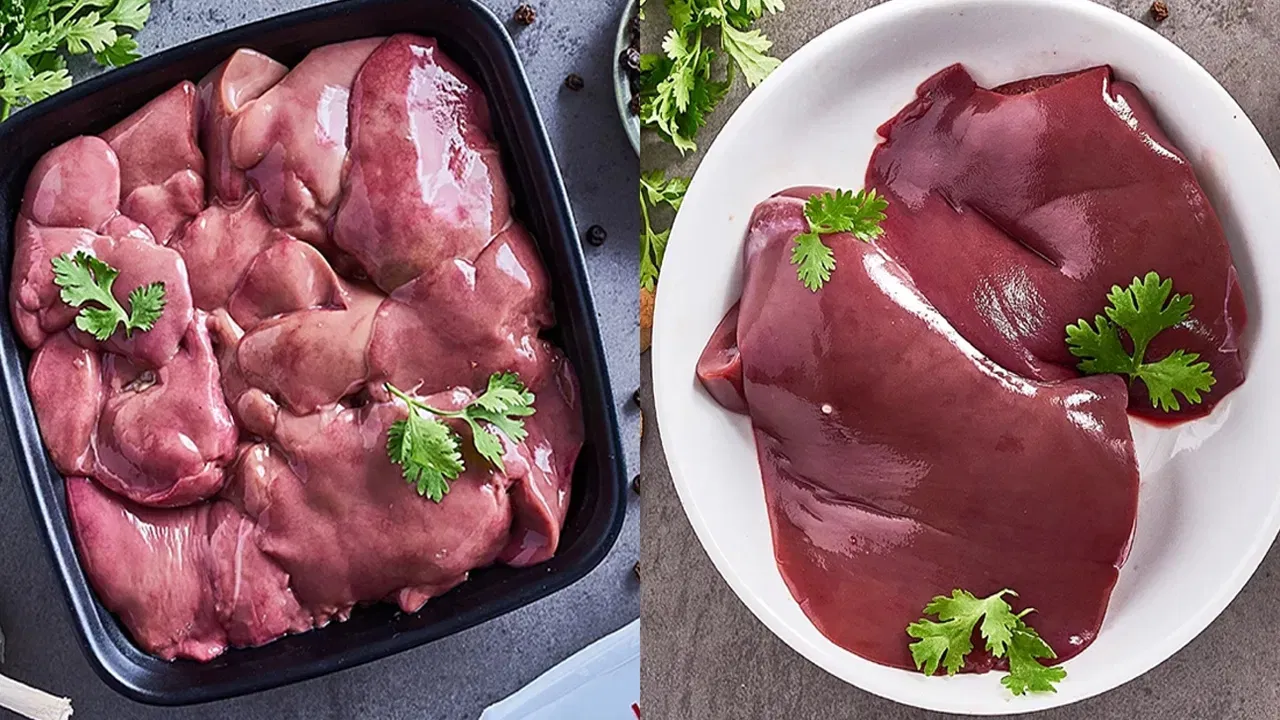
Mutton liver and Chicken liver are considered highly nutritious foods by health experts. They are rich sources of iron, vitamin B12, vitamin A and protein and therefore help in reducing anemia, improving eye health and strengthening immunity. While non-vegetarian lovers commonly consume chicken and mutton, there are often doubts regarding which liver is better and how much should be consumed. Both types of liver are nutrient-dense, providing approximately 160–170 calories per 100 grams, along with 20–25 grams of protein and around 5 grams of fat. Although they contain high cholesterol, experts note that it is generally not considered a major health concern for most individuals.
Both vitamin A and vitamin B12 are present in significant amounts in liver. Vitamin A is higher in chicken liver compared to mutton liver (around 16,000 IU per 100 grams), whereas vitamin B12 is higher in mutton liver (approximately 85 micrograms per 100 grams). Vitamin B12 is essential for the nervous system and helps prevent anemia. However, excessive intake of vitamin A can accumulate in the body and may lead to health issues, so caution is necessary. Adults can consume about 100 grams once a week, while children may have around 50 grams weekly. Pregnant women should limit intake, especially during the first trimester. Individuals with heart or kidney conditions are advised to consume liver in moderation, as recommended by dietitians.
Disclaimer: This information is for awareness purposes only and should not be considered medical advice. Please consult a doctor before making any dietary changes.















Comments (0)
No comments yet
Be the first to comment!