

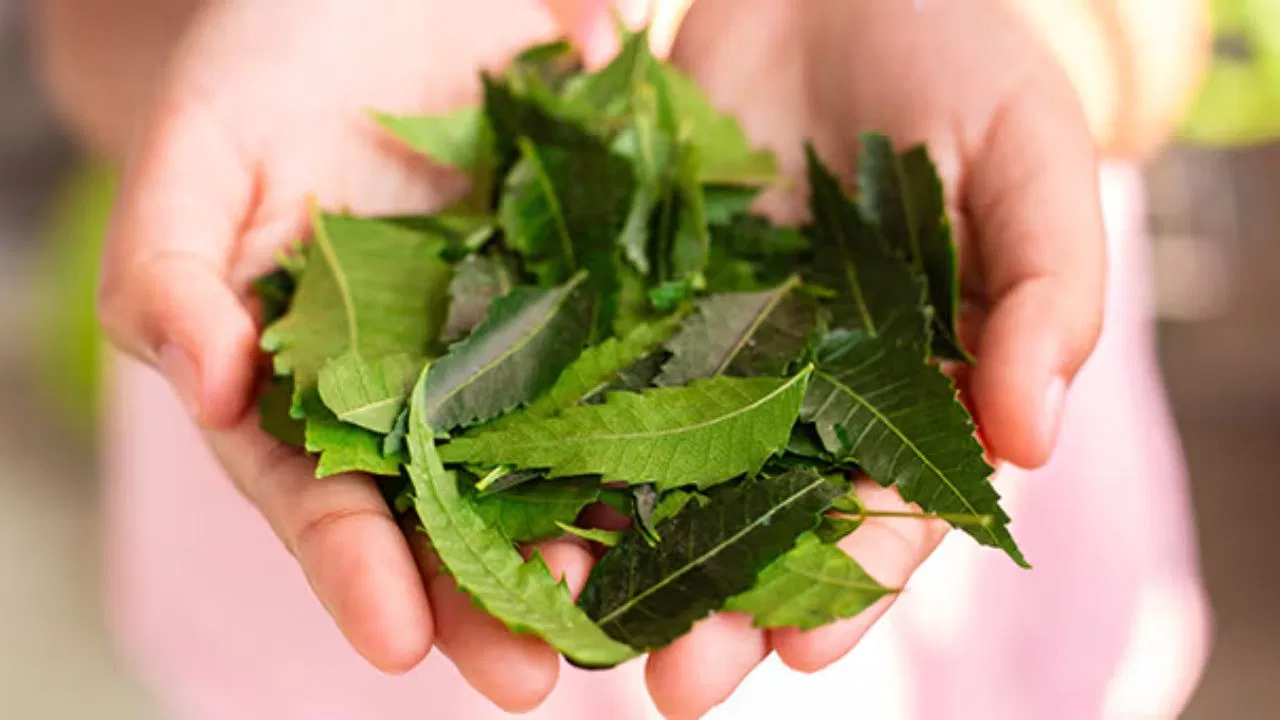
Certain herbs offer multiple health benefits and, when consumed regularly, can help in preventing and managing various ailments simultaneously. Neem is one such important herb in Ayurveda. It is considered highly beneficial for overall well-being, supporting everything from skin health to the proper functioning of vital organs. According to Ayurveda, consuming neem flowers during the summer season helps cool the body and pacify excess pitta. This is why neem flowers are traditionally included in diets in South India at the onset of summer. Neem possesses antioxidant, antibacterial, anti-inflammatory and immunomodulatory properties, which aid in blood purification, improved digestion and enhanced skin radiance. It is also helpful in managing skin conditions such as boils, ringworm and itching.
Although neem is known for its bitter taste, it is regarded as a powerful medicinal herb in Ayurveda. Chewing neem leaves on an empty stomach is believed to purify the blood and reduce skin-related issues. It also helps eliminate harmful bacteria in the oral cavity, thereby strengthening teeth and gums. Neem supports healthy digestion and can reduce problems such as gas and acidity. It is considered beneficial in helping regulate blood sugar levels in individuals with diabetes. Additionally, neem leaves boost immunity and help protect the body against infections.
In Ayurvedic practice, neem leaves, flower juice or decoctions are used to strengthen the immune system, prevent chronic illnesses and cleanse the body internally. Consuming neem along with rock sugar is believed to enhance its cooling properties and help reduce body heat. Tender neem leaves contain antimicrobial, antiviral and antioxidant properties that promote digestive health by reducing harmful gut bacteria and encouraging beneficial bacteria. With their anti-inflammatory and anti-diabetic properties, neem leaves are thought to help maintain balanced blood sugar levels and may play a supportive role in certain aspects of cancer management, as suggested in traditional Ayurvedic texts.
Note: The information provided above is for general awareness purposes only. We do not assume any responsibility for its application. Individuals with health concerns are advised to consult a qualified doctor or nutritionist and follow professional medical guidance before adopting any remedies.















Comments (0)
No comments yet
Be the first to comment!