
General


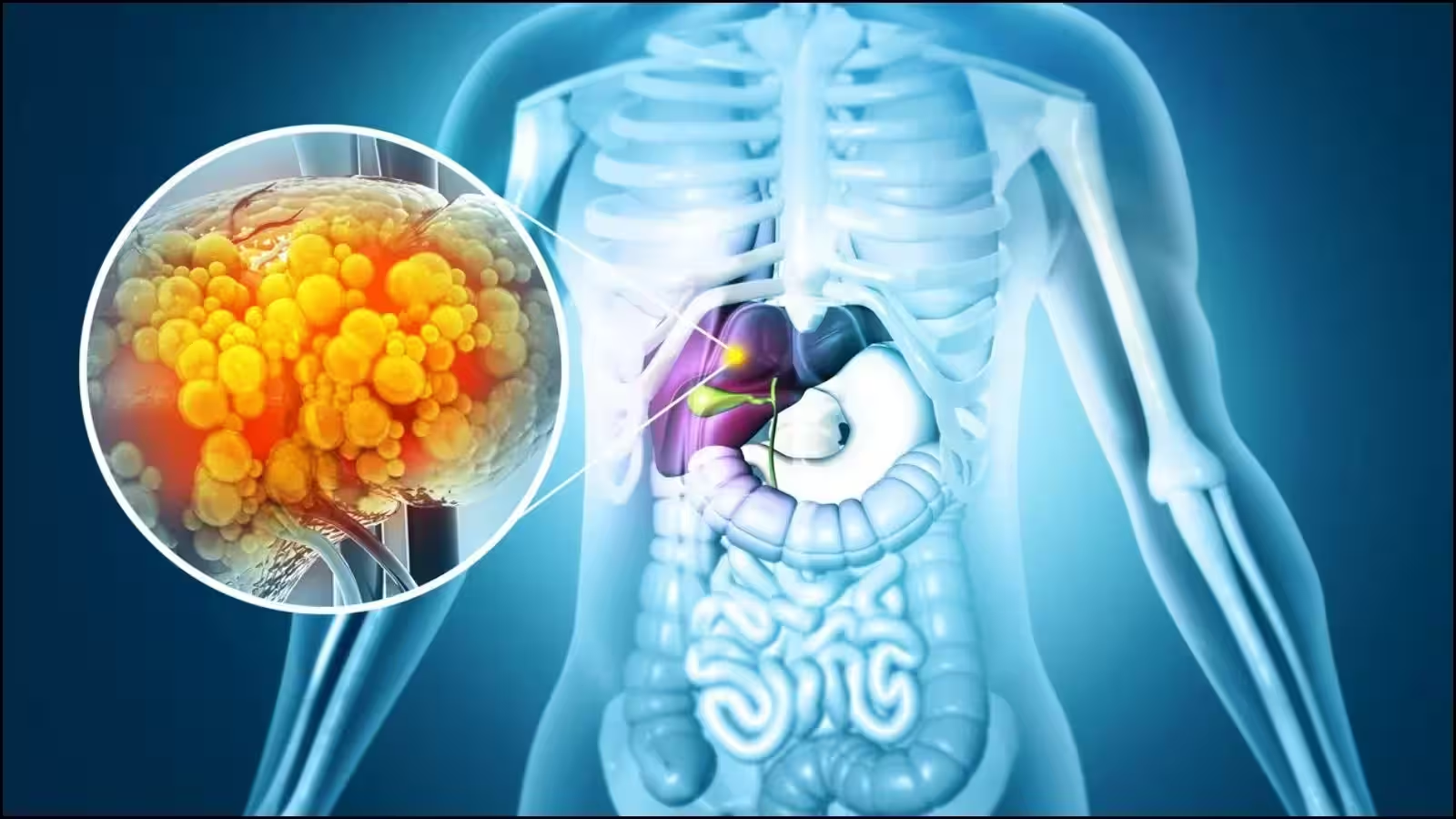
Fatty liver and liver damage are connected, but they are not the same condition, doctors say. Fatty liver occurs when excess fat accumulates in liver cells and is commonly associated with obesity, insulin resistance, diabetes, high cholesterol, unhealthy eating habits and lack of physical activity. Excessive alcohol consumption can also contribute to fatty liver. In its early stages, the condition may not cause noticeable symptoms and may be detected through blood tests or imaging such as an ultrasound.
Liver damage refers to injury or impairment of the liver’s structure and function. Persistent inflammation can lead to fibrosis, in which scar tissue develops in the liver, and severe fibrosis may eventually progress to cirrhosis. People with fatty liver along with uncontrolled diabetes, obesity, high cholesterol or heavy alcohol consumption may have a higher risk of progression. Unexplained tiredness, abdominal discomfort, jaundice, abdominal swelling, leg swelling or a known fatty liver diagnosis should not be ignored. Doctors may recommend liver function tests, ultrasound, FibroScan and, when necessary, CT, MRI or liver biopsy to assess the condition. Maintaining a healthy weight, following a balanced diet, exercising regularly and controlling blood sugar and cholesterol can help reduce the risk of progression.
Note: This information is for general awareness and does not replace professional medical advice. Anyone experiencing persistent or concerning symptoms should consult a qualified doctor for proper evaluation and treatment.














Comments (0)
No comments yet
Be the first to comment!