
Shows


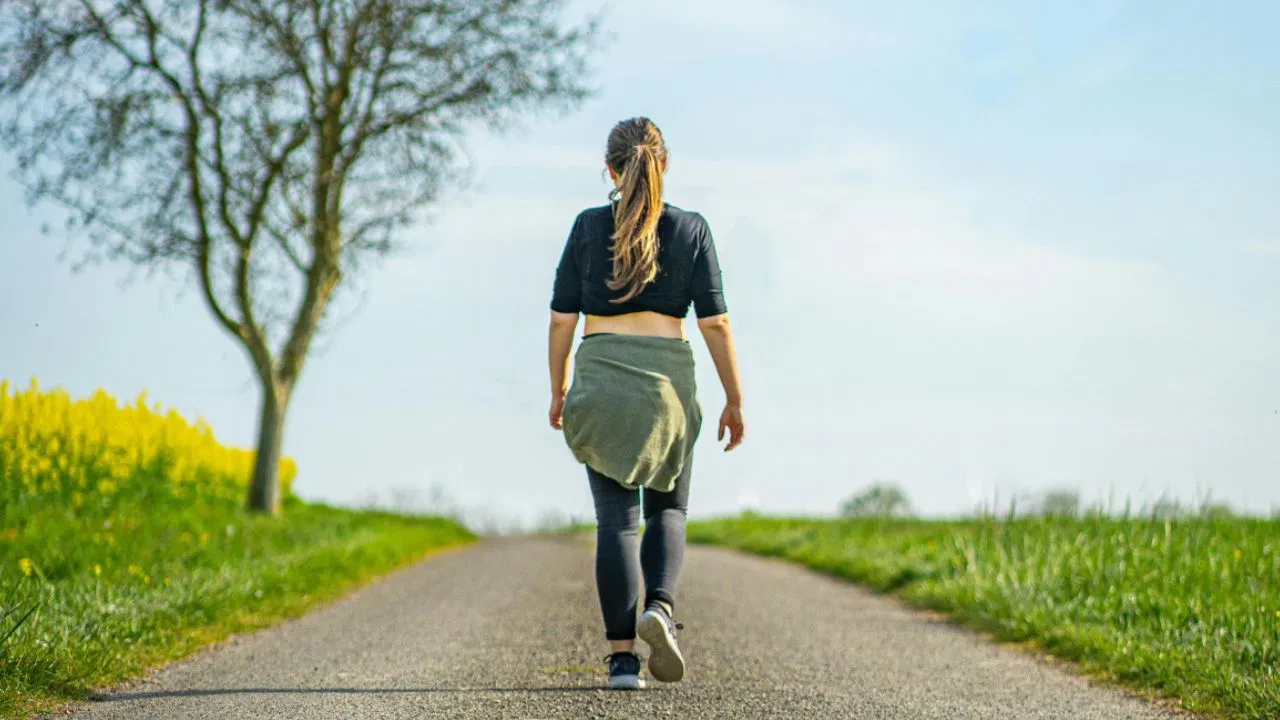
The small habits we follow immediately after waking up in the morning can significantly influence how the rest of our day unfolds. While most people are accustomed to walking forward, experts suggest that walking backward for just 30 seconds can have remarkable positive effects on both the body and the brain. This practice, known as “retro walking,” plays a key role in improving body balance and stability. Since walking backward requires greater focus and control, it enhances coordination and reduces the risk of falls, particularly among older adults. Additionally, muscles that are not actively engaged during forward walking become stimulated, helping to improve lower body strength. From a physiotherapy perspective, it also reduces pressure on the knees and enhances joint mobility, making it especially beneficial for individuals with arthritis.
As backward walking is not a routine movement, the brain has to work harder to process and adapt to these unfamiliar motions. This acts as an effective mental exercise, improving memory, focus and cognitive response speed. Moreover, since it is slightly more challenging than forward walking, it helps burn more calories in a shorter period. This leads to an increased heart rate, supporting weight management and overall cardiovascular health. It also helps improve posture, especially for individuals who spend long hours sitting, by encouraging the body to stay upright and aligned.
However, certain precautions should be taken while practicing backward walking. It is important to choose a safe, obstacle-free environment. Beginners are advised to start slowly, using support such as a wall or assistance from another person. Avoid distractions like using a phone while performing this activity. Start with 30 seconds and gradually increase the duration to 1–2 minutes. Practicing this 4–5 times a week can yield noticeable benefits. Backward walking is a perfect example of how a “small habit can lead to a big change.”
Note: This information is intended for awareness purposes only and should not be considered a substitute for medical advice, diagnosis, or treatment. If you experience any health issues, please consult a qualified healthcare professional promptly.
















Comments (0)
No comments yet
Be the first to comment!