

General


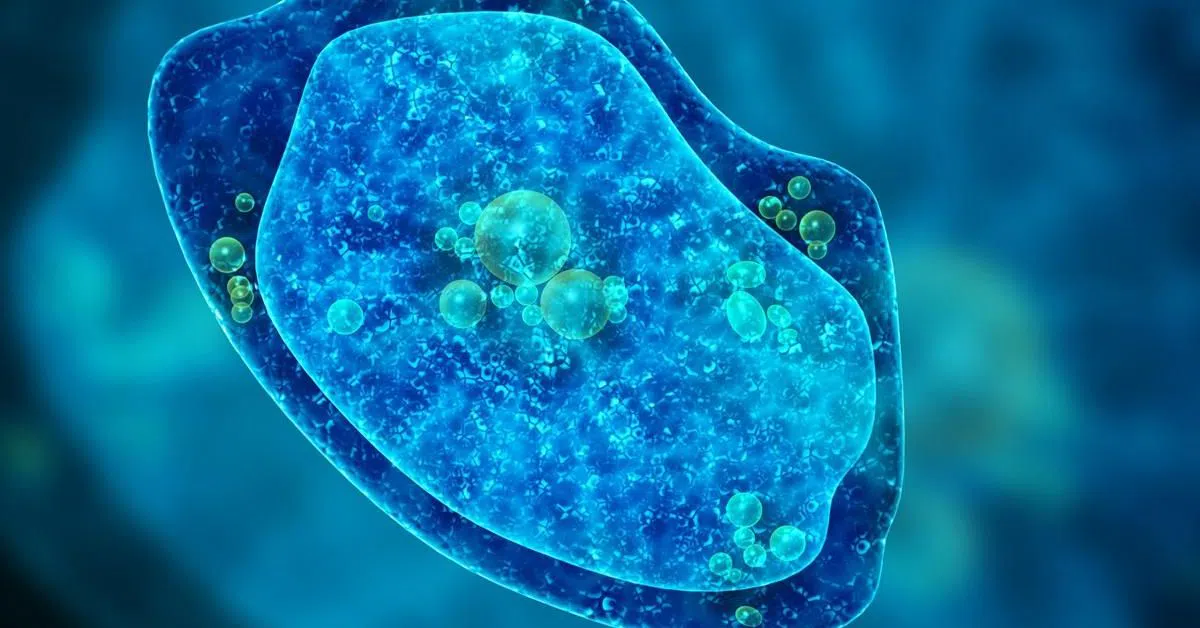
Scientists have raised concerns that amoebas, though typically harmless single-celled organisms, are emerging as a potential threat to global health. These microorganisms usually feed on bacteria in water bodies and help maintain environmental balance by keeping water sources clean. However, due to climate change and rising global temperatures, free-living amoebas are increasingly becoming resilient and difficult to control. Their ability to survive extreme heat and resist disinfectants makes them a growing concern for public health systems worldwide. Experts emphasize the urgent need for improved surveillance and advanced water purification systems.
A recent study published in the Biocontaminant Journal highlights that aging water infrastructure, inadequate treatment systems, and increasing temperatures are accelerating the spread of amoebas. While most amoebas are not harmful, certain species can cause severe and even fatal infections in humans. Among them, Naegleria fowleri, commonly known as the “brain-eating amoeba,” poses a serious risk as it can infect the brain through contaminated water. Researchers stress the importance of awareness, proper water management, and strengthened sanitation systems to prevent potential outbreaks.
Note: This information is intended only for public awareness. It is advisable to consult medical professionals immediately if any symptoms are noticed.
















Comments (0)
No comments yet
Be the first to comment!