


General



According to doctors, thyroid problems are a major health issue affecting many people today due to poor lifestyle, excessive stress, and nutritional deficiencies, which disrupt the gland's function. Doctors explain that thyroid hormones regulate our body's metabolism, so even small mistakes in diet can have a severe impact on health. For thyroid patients, doctors emphasize that relying only on medicines is not enough; following dietary rules is equally important. Some vegetables that people consider healthy can actually harm those with thyroid issues, say doctors. To prevent weight gain and maintain hormone balance, it's essential to stay away from certain foods, advise doctors.
The thyroid gland in the neck releases T3 and T4 hormones that control body energy and weight. If there's a disruption in its function, it can lead to hypothyroidism (low hormones) or hyperthyroidism (high hormones). In both cases, diet plays a key role, according to doctors.
As recommended by doctors Foods thyroid patients should avoid:
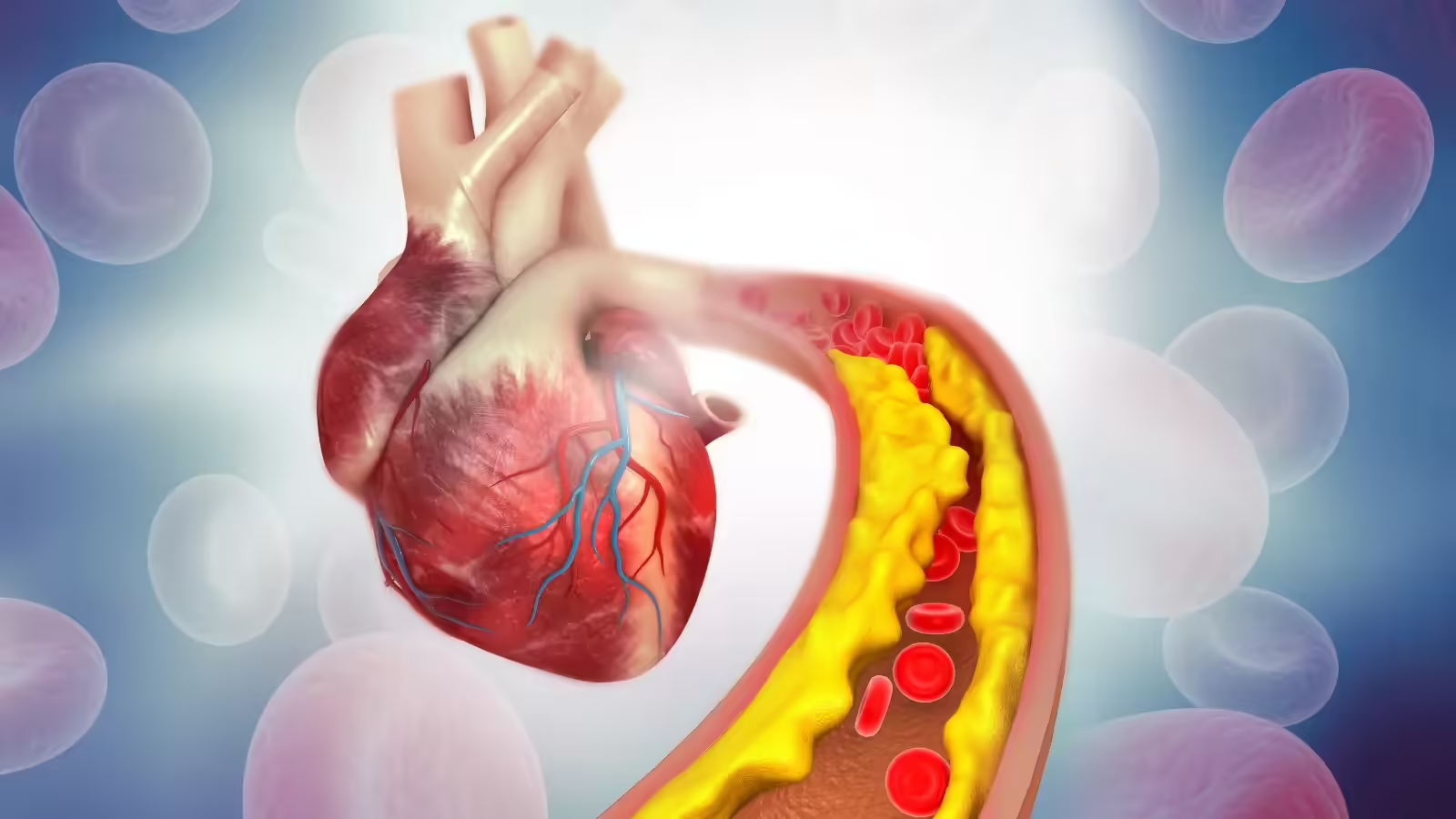
Red Meat: Doctors warn that red meat's cholesterol and saturated fats cause rapid weight gain, worsening the weight issues already common in thyroid patients.
Junk Food: Fried items and overly spicy junk foods increase hormone imbalance and raise cholesterol levels, explain doctors.
Gluten Foods: Foods like wheat, refined flour, and oats contain gluten, which can raise the risk of high blood pressure and diabetes in thyroid patients, say doctors. Reducing their intake as much as possible is advisable.
Caffeine and Alcohol: Excessive tea, coffee, or alcohol slows down the thyroid gland's function and reduces the effectiveness of medications, caution doctors.
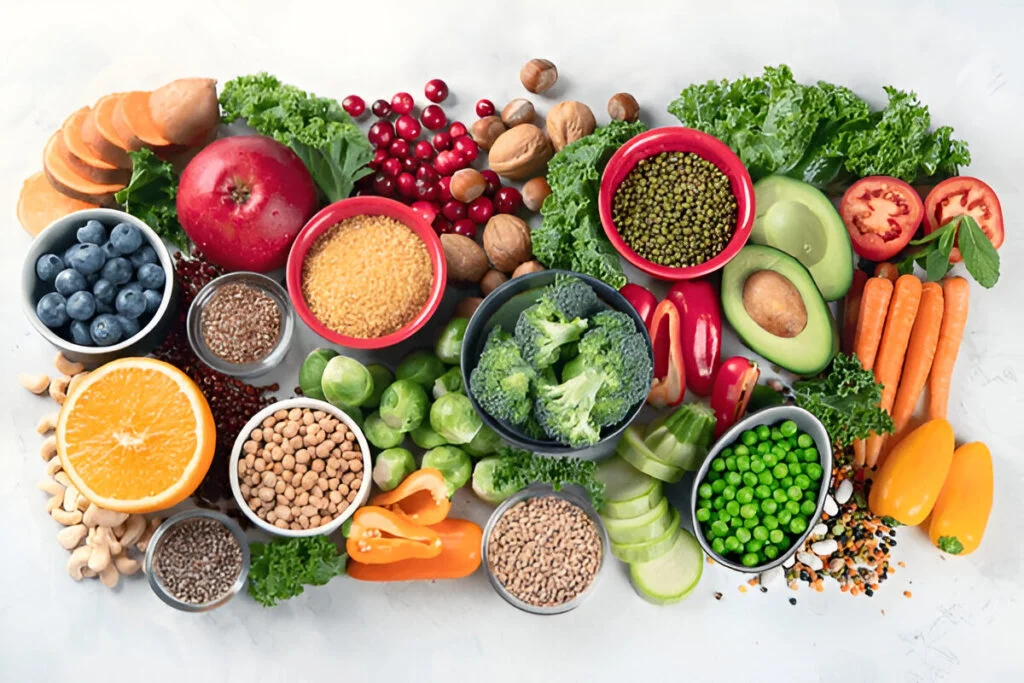
Certain Vegetables and Soy: Vegetables like cabbage, cauliflower, and radish interfere with thyroid hormone production, note doctors. Similarly, soy products affect hormone processes. Doctors advise not including these in the diet without consulting a doctor.
Note : The information provided is for awareness purpose only. We are not responsible for any consequences. If you have any health concerns, please consult your doctor or qualified nutritionist before following the above suggestions.












Comments (0)
No comments yet
Be the first to comment!