
Business


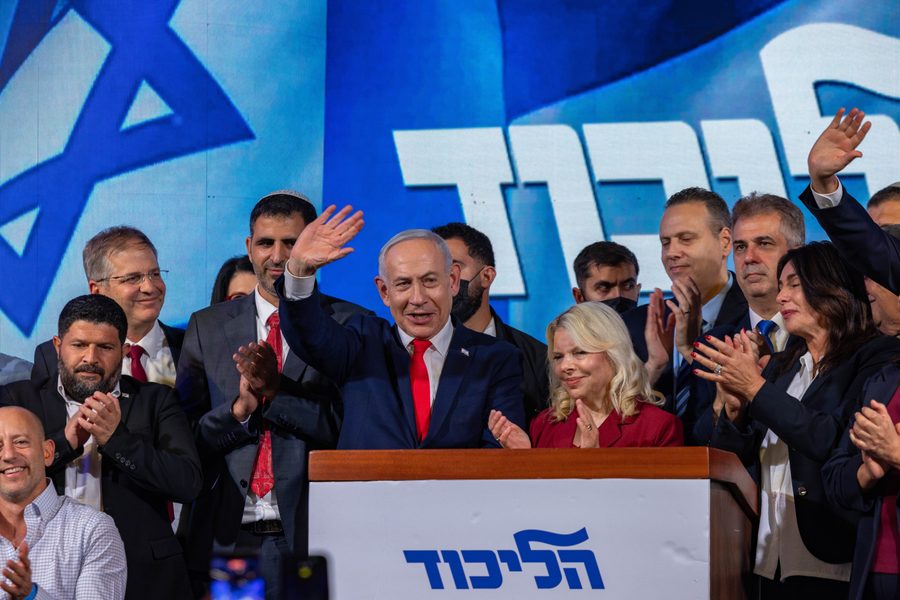
Israel’s political landscape has witnessed a major shift following the latest parliamentary election results, putting Prime Minister Benjamin Netanyahu’s political future under pressure. In the 120-member Knesset, Netanyahu’s ruling bloc secured 53 seats, while the opposition bloc led by Gadi Eisenkot won 48 seats. The two Arab-led parties secured a combined 19 seats, taking their total strength to a record high. With neither major bloc securing the 61 seats required for a parliamentary majority, the Arab parties could play a decisive role in the government formation process. Their potential support could raise the anti-Netanyahu camp’s strength to 67 seats, creating a possible path for the opposition to form the next government.
However, Netanyahu’s exit from power is not yet certain. Although the seat calculations suggest that an anti-Netanyahu alliance could reach a majority, several opposition parties have previously ruled out forming a coalition with the Arab-led parties. This has made government formation more complicated, and negotiations are expected to play a crucial role in determining Israel’s next leadership. The election results have therefore created a significant political challenge for Netanyahu, but the final outcome will depend on which parties are willing to work together and whether they can secure the required parliamentary support.













Comments (0)
No comments yet
Be the first to comment!