



Movies

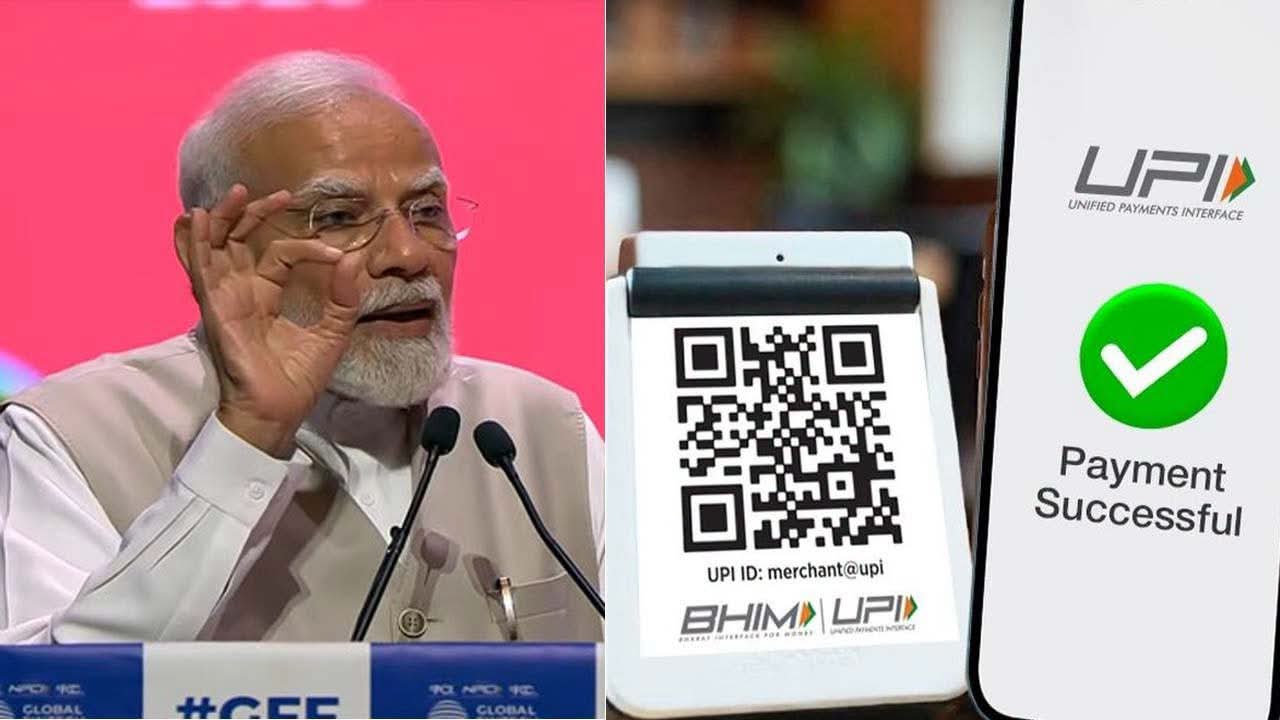
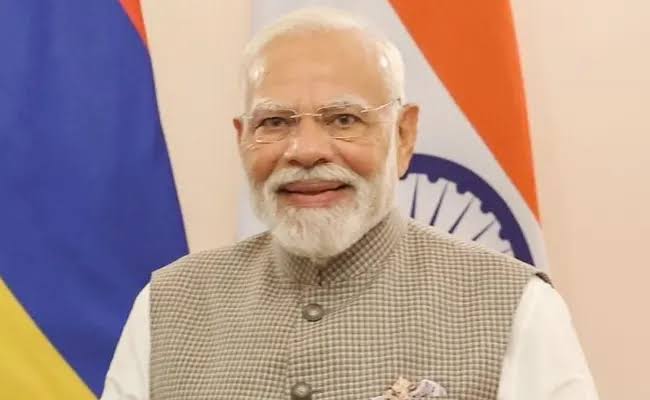
Prime Minister Narendra Modi said India’s digital economy is ready to enter its next phase, with the country having already achieved significant scale, reach and accessibility in digital services. Addressing the Global Fintech Fest (GFF) 2026 in Mumbai, Modi highlighted the transformation brought by India’s fintech ecosystem over the past decade and said UPI had played a central role in bringing millions of people into the formal digital economy. He called for the next phase of growth to focus on taking UPI to more countries and connecting it with international payment systems. Modi noted that India’s digital public infrastructure, including Aadhaar, internet connectivity and UPI, has enabled digital identity, instant payments and consent-based data sharing at a massive scale.
Modi said the next generation of fintech should go beyond digital payments and expand technology-driven access to credit, savings, pensions and insurance. He stressed the need to bring more street vendors into the formal credit system and said the government had decided to continue the PM SVANidhi credit card scheme until 2030. He also identified agentic artificial intelligence and quantum computing as technologies that could create new opportunities in finance, alongside tokenisation. With India’s digital economy expanding rapidly, Modi emphasised that cybersecurity must receive the highest priority, while innovation should be supported by trust, safety and an effective regulatory framework.










Comments (0)
No comments yet
Be the first to comment!