
General


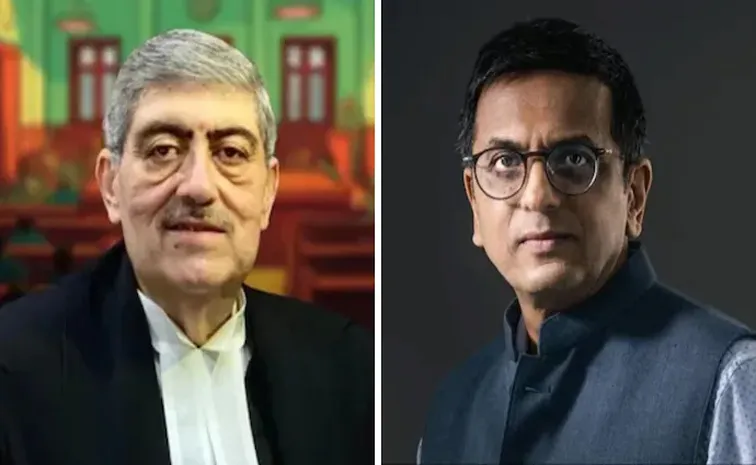
Retired Supreme Court judge Justice Sanjay Kishan Kaul has criticised former Chief Justice of India D.Y. Chandrachud, alleging that he showed excessive deference to the government in matters concerning judicial appointments. Kaul said Chandrachud went beyond what was necessary when consulting the government on administrative issues. He made the remarks in an interview with senior journalist Karan Thapar for The Wire, ahead of the release of his autobiography, Without Fear or Favour. Recalling a Collegium meeting to fill six vacancies in the Supreme Court, Kaul said the members had reached a consensus on five names before Chandrachud proposed a sixth candidate at the last minute. Kaul said he and other members did not find the name acceptable. According to him, Chandrachud then took him aside and asked whether they should call the government to ascertain its position. Kaul said he suspected that the government’s approval might have been obtained in advance, stressing that consultation and prior approval were fundamentally different. He argued that the Collegium must remain free from executive pressure to preserve judicial independence.
Kaul clarified that he was not suggesting Chandrachud had deliberately tried to please the government, but reiterated his opposition to discussing judicial candidates with the executive in advance. Senior Supreme Court advocate and constitutional expert Rakesh Dwivedi rejected the allegation that Chandrachud had been deferential to the government in judicial appointments. In contrast, Vikas Singh, former president of the Supreme Court Bar Association, raised concerns about Chandrachud’s approach to the government and the allocation of sensitive cases. The Congress party said Kaul’s remarks supported its allegation that the Modi government had been interfering in the judiciary. Congress general secretary Jairam Ramesh expressed concern that such alleged pressure raised serious questions about judicial independence, emphasising that the institution responsible for protecting the Constitution must remain free from government influence. The comments have sparked differing reactions within legal and political circles.







Comments (0)
No comments yet
Be the first to comment!