
General


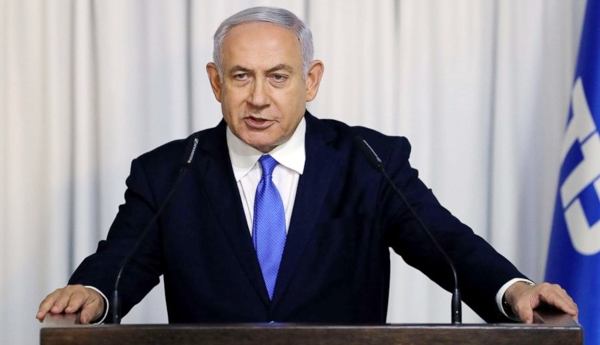
Israel’s next prime minister will be determined by the elections scheduled for the 27th of this month. The key question is whether incumbent Prime Minister Benjamin Netanyahu will retain power or whether Gadi Eisenkot, Naftali Bennett, Yair Lapid or Mansour Abbas will emerge as a potential leader. Elections are being held for all 120 seats in the Knesset, Israel’s parliament. Security failures surrounding the October 7 attack, rising living costs and Israel’s international standing have emerged as major campaign issues. Netanyahu’s ruling coalition includes far-right parties such as Otzma Yehudit, led by National Security Minister Itamar Ben-Gvir, as well as ultra-Orthodox parties. Meanwhile, Eisenkot, leader of the Yashar party, and Bennett, leader of the Beyachad party, are among the key contenders. According to Polymarket estimates published on September 8, Eisenkot had a 51% chance of winning, compared with 28% for Netanyahu. These figures reflect forecasts rather than confirmed election outcomes.
Coalition-building is expected to play a decisive role after the election. According to estimates cited by The Times of Israel, Eisenkot’s bloc could win 54 seats, while the right-wing and ultra-Orthodox bloc led by Netanyahu could secure 48–49 seats. A majority of at least 61 members is required to form a government in the 120-seat Knesset. Current projections suggest that neither bloc is likely to secure an outright majority on its own. Arab-led parties are forecast to win around 13 seats, potentially making their support crucial in government formation. Netanyahu has openly opposed relying on these parties, while major opposition leaders have also been cautious about including them in a coalition. As a result, the final outcome may depend not only on the election results but also on post-election negotiations and alliances. The next prime minister is likely to emerge only after the balance of support among the parties becomes clear.








Comments (0)
No comments yet
Be the first to comment!