Health


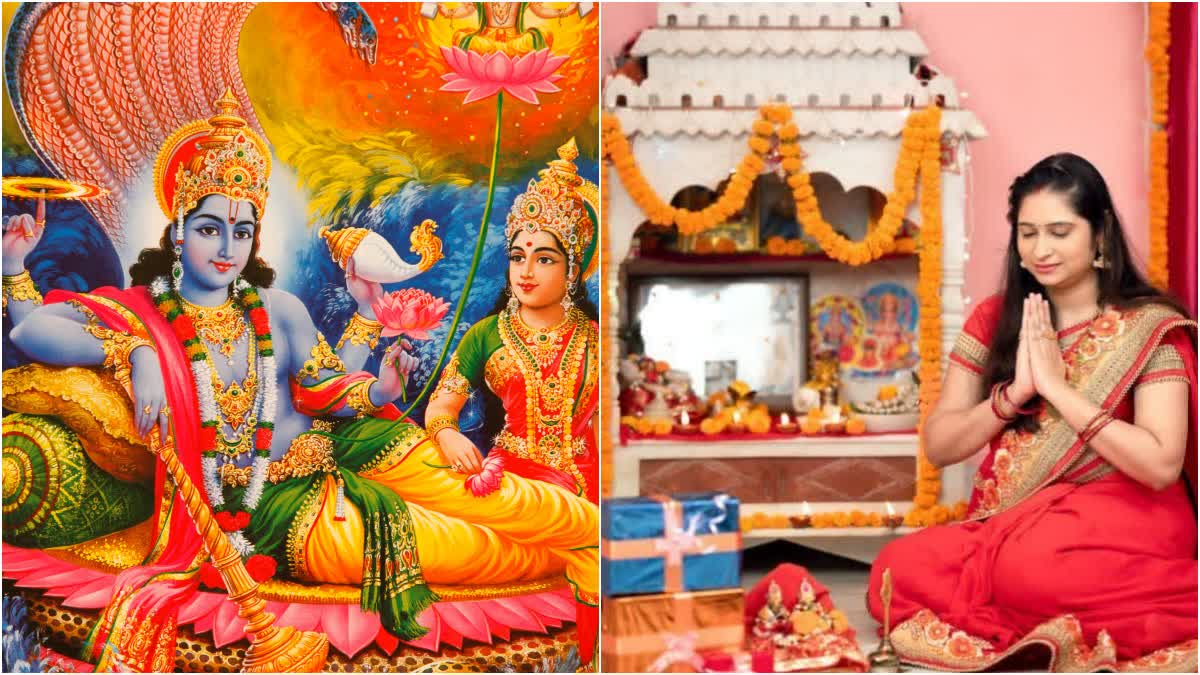
Rama Ekadashi is observed on the Ekadashi tithi of the Krishna Paksha in the Hindu month of Ashwayuja. Ekadashi holds special significance in Hindu tradition, with two observances occurring every lunar month. Each Ekadashi has its own spiritual importance. ‘Rama’ is one of the many names of Goddess Lakshmi. Devotees worship Lord Vishnu along with Goddess Lakshmi on this occasion, believing that the observance brings prosperity, wealth and divine blessings. According to Hindu scriptures, observing the Rama Ekadashi fast with devotion is believed to help devotees attain spiritual merit and liberation from sins. The occasion is also associated with a traditional story highlighting the significance of the vrat.
Devotees observing Rama Ekadashi traditionally wake up early, complete their daily rituals and take a holy bath. They clean their prayer space, wear yellow clothes and undertake a fast in front of the idols of Goddess Lakshmi and Lord Vishnu. A lamp is lit using cow’s ghee, and the deities are decorated with yellow flowers and Tulsi leaves. Devotees recite Lakshmi Ashtottaram and Vishnu Sahasranamam before offering coconut, sweet pongal, pulihora and chickpeas as prasadam. The vrat story revolves around King Muchukunda’s daughter Chandrabhaga and her husband Shobhana. According to the legend, Shobhana observed the Rama Ekadashi fast but died due to hunger. However, the merit of the vrat is believed to have earned him a divine kingdom on Mount Mandarachala. Later, Chandrabhaga’s spiritual merit helped make his kingdom permanent. Charity, including food and cow donations, is traditionally encouraged on this day. Devotees conclude the fast with Dwadashi Parana on the following day. These practices and promised benefits are rooted in Hindu religious beliefs and mythology.




Comments (0)
No comments yet
Be the first to comment!