
Movies


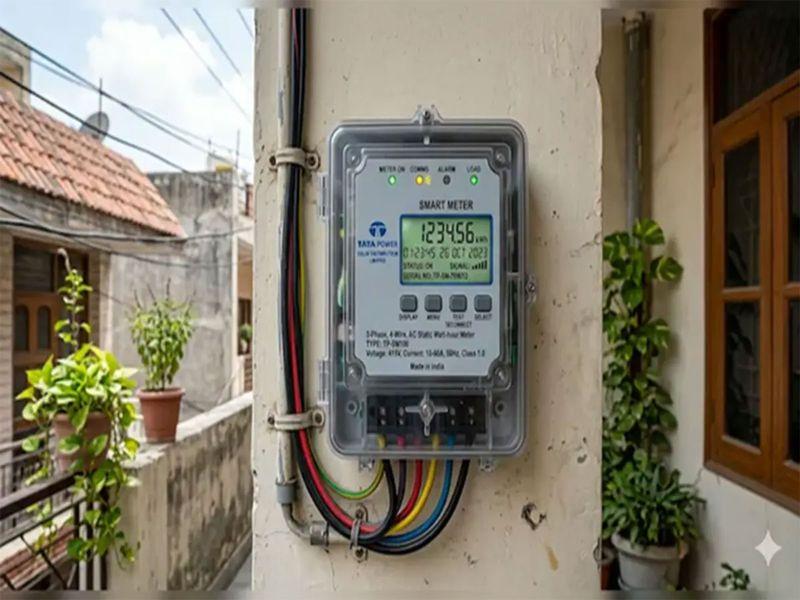
Electricity consumers often notice two terms on their monthly bills: Contracted Load and Recorded Maximum Demand (RMD). Contracted Load is the maximum electricity load approved by the power distribution company when a connection is obtained, measured in kilowatts. Many older household connections were sanctioned for just 1 kW. However, with appliances such as air conditioners, geysers, ovens, washing machines and motors becoming common, actual power demand can exceed the sanctioned limit. The RMD records the highest level of electricity demand recorded at the premises during a billing period. If several high-power appliances are switched on simultaneously, the demand can rise significantly. Consumers whose RMD repeatedly exceeds their contracted load may receive notices seeking payment of charges to regularise the additional load.
The charges can include development charges, security deposits and service-line charges. For example, in a case cited from Amberpet, a consumer with a sanctioned load of 1 kW was found using 3 kW during an inspection. For the additional 2 kW, development charges were calculated at ₹1,200 per kW, while the security deposit was ₹200 per kW. A service-line charge of ₹1,200 was also imposed under the unified line-charges system, taking the total amount payable to ₹4,000. Officials have asked consumers to pay the amount within 30 days and regularise the additional load. Those who have objections can appeal to the DE within 15 days. Consumers are also advised to verify their subsequent bill after making payment to ensure that the sanctioned load has actually been updated and to retain the payment receipt.













Comments (0)
No comments yet
Be the first to comment!