
General


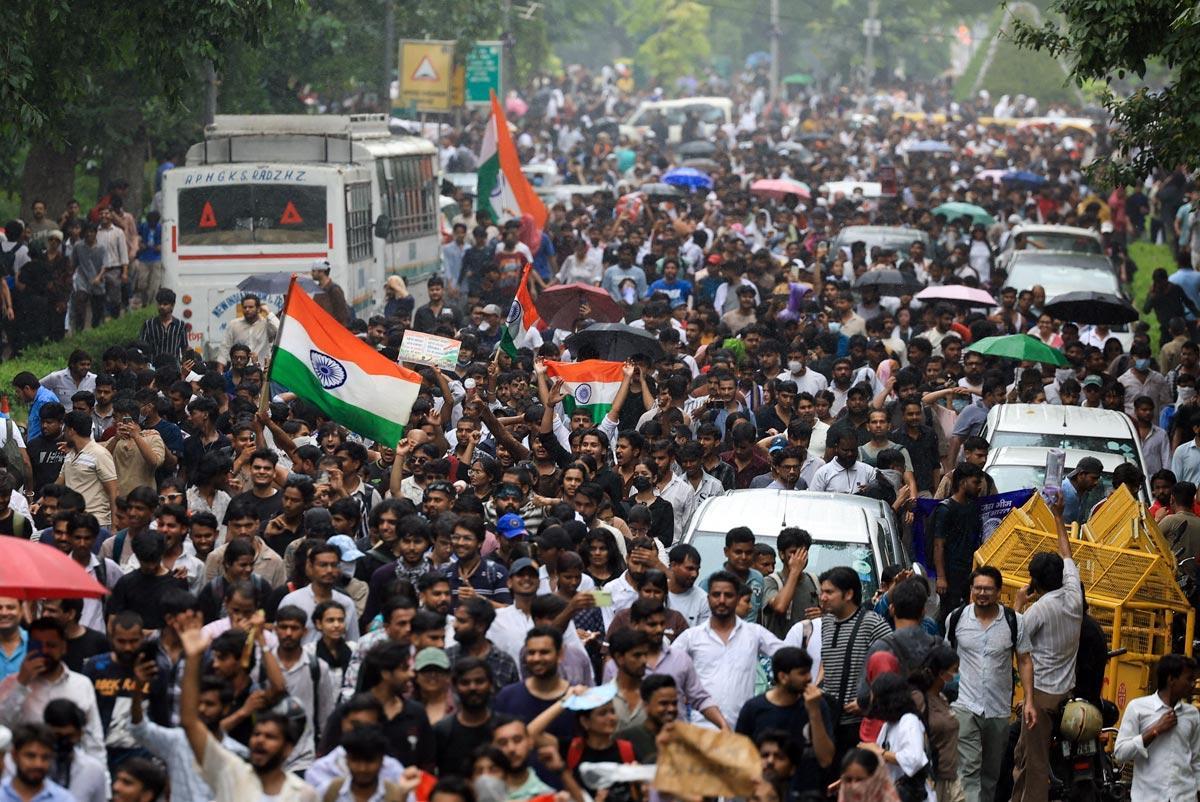
What began as student anger over the alleged NEET-UG question paper leak gradually developed into a nationwide youth movement, putting sustained pressure on the Narendra Modi-led central government. The Cockroach Janta Party (CJP) emerged as a prominent voice in the agitation, raising questions over examination-system failures and accountability. The protests at Delhi’s Jantar Mantar gathered momentum as students, activists and opposition parties rallied around the issue. Sonam Wangchuk’s hunger strike further intensified attention on the movement, while demonstrations and political pressure continued even after efforts were made to open negotiations with protesters.
As the agitation intensified and Parliament witnessed opposition protests, the Centre gradually shifted its approach. The government announced measures to address examination irregularities, while the demand for Education Minister Dharmendra Pradhan’s resignation remained a key sticking point in negotiations with the CJP. Pradhan eventually resigned on July 25, marking a significant development in the weeks-long controversy. The CJP subsequently withdrew its agitation after the Centre agreed to its principal demands, including dropping cases against protesters and providing compensation to families of NEET-related suicide victims. The episode has also triggered a wider political debate over youth discontent, government accountability and the potential electoral consequences of prolonged student unrest.









Comments (0)
No comments yet
Be the first to comment!